
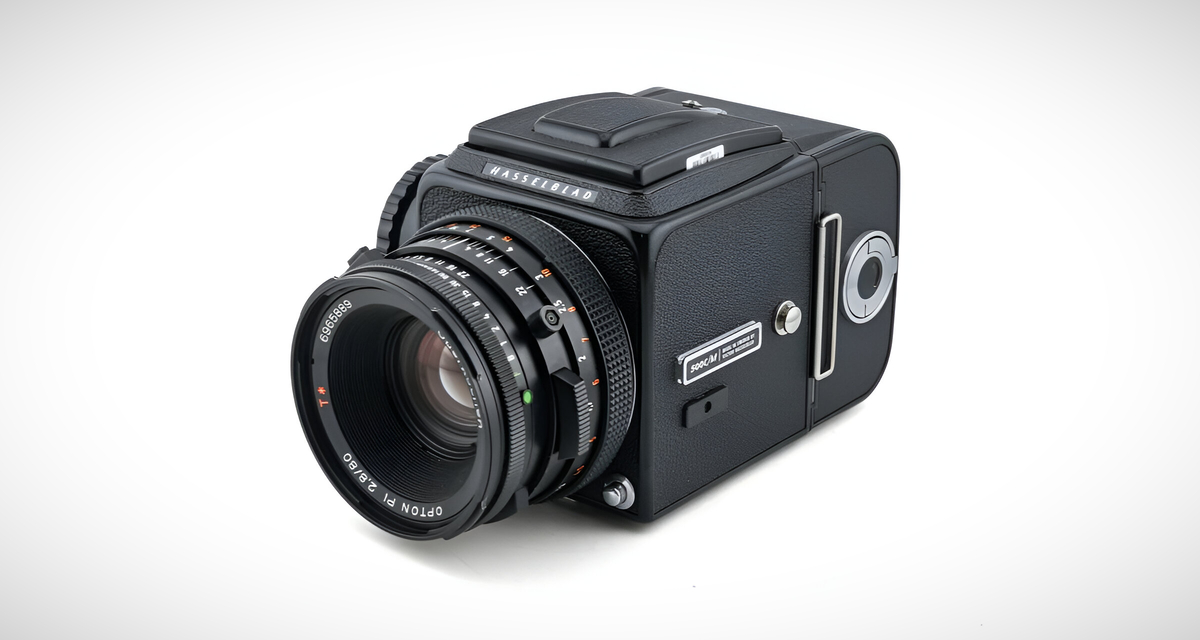
The Hasselblad V System camera design embodies both artistic vision and engineering mastery. It represents not only a photographic tool but also a profound statement in industrial design, a meeting point between human intuition, mechanical perfection, and visual art. Conceived in an era when craftsmanship and precision were paramount, the V System became one of the cameras that shaped the visual identity of the 20th century.
It is an instrument that taught generations of photographers how to slow down, compose thoughtfully, and experience the tactile relationship between mind, material, and machine. Beyond its photographic achievements, the design itself tells a story of Scandinavian restraint, purposeful geometry, and modular intelligence that continues to inspire modern product designers.
Hasselblad V System Origins and Historical Context
The V System was born from the vision of Victor Hasselblad, a Swedish inventor who, in the 1940s, sought to create a camera that blended small-format convenience with large-format image quality. His background in precision mechanics, gained during wartime production, became the foundation for a new kind of camera, mechanically exact, flexible, and built to last. In 1948, the Hasselblad 1600F debuted, marking the beginning of a lineage that would revolutionize medium format photography.
From the beginning, modularity defined the concept. Lenses, viewfinders, and film magazines could be swapped effortlessly, allowing photographers to customize their setups in ways unheard of at the time. This principle reached its pinnacle in 1957 with the introduction of the Hasselblad 500C, a camera that established the V System’s iconic design language. Its adoption of a leaf shutter within the lens offered complete flash synchronization, an enormous advantage for studio photographers.
By the late 1950s, Hasselblad had created a platform rather than a single product, a modular ecosystem of components that could evolve with technology and artistic need. The design that emerged from this era became the foundation for decades of professional photographic work, and its structure remains instantly recognizable today.
Hasselblad V System Design Concept and Approach
At its core, the V System is guided by three intertwined principles: modularity, precision, and balance. Its design philosophy celebrates mechanical simplicity and functional clarity while maintaining a subtle aesthetic presence. From a designer’s perspective, each element of the system reveals a deliberate and harmonious relationship between engineering and form.
Modularity
Perhaps the most revolutionary idea behind the V System is its modular structure. The camera is not a fixed device but a series of interchangeable modules: body, back, lens, and viewfinder, that can be combined in multiple configurations. This means that a photographer can change film mid-shoot, swap lenses or prisms, or even adapt the same camera body for different film formats or digital backs. This flexible ecosystem extended the product’s lifespan dramatically, ensuring compatibility across generations.
Precision Engineering
Every component of the V System reflects an obsession with mechanical perfection. The solid metal construction, the crisp clicks of the shutter, the smooth winding crank, all evoke the sensation of operating a fine timepiece. The Carl Zeiss lenses, meticulously crafted for this system, provide optical clarity that complements the camera’s precision build. Every part serves a function; nothing feels ornamental. This commitment to functional purity ensures that the camera’s performance remains reliable even decades after manufacture.
Form and Aesthetic Balance
The V System’s geometry is strikingly simple: a cube. This choice was not arbitrary. The square 6×6 format dictated a form that was symmetrical and balanced, giving the camera a sculptural presence. Its proportions are perfect, its materials honest. The metal body, leatherette covering, and limited color palette project a sense of confidence without excess. The clean Scandinavian sensibility behind the V System established a visual identity that feels as modern today as it did seventy years ago.
User-Centric Usability
Functionally, the V System empowers the user. The waist-level viewfinder encourages a contemplative shooting style, letting photographers compose while maintaining eye contact with their subjects. The detachable film backs make it possible to switch between color and black-and-white film instantly. Every control, knobs, levers, and release mechanisms was positioned for intuitive reach and tactile feedback. The camera design invites the user to become part of the mechanism, fostering a rhythmic, almost meditative workflow.

Why the Hasselblad V System Design Has Proven Time-Resistant
The Hasselblad V System has not only endured technological change but transcended it. Its continued relevance rests on several key factors that connect design, engineering, and emotional appeal.
Consistent Physical Architecture
From the earliest models to the final film iterations, the interface of the V System remained remarkably consistent. Accessories, lenses, and magazines from different decades can still work together. This kind of cross-generational compatibility is rare in product design and a major contributor to the system’s longevity. It also reinforces a key industrial design principle: design for continuity, not replacement.
Aesthetic Timelessness
The V System’s appearance never relied on trends. Its minimalist geometry, purposeful materials, and compositional symmetry render it timeless. It’s a machine that feels neither old nor futuristic, it simply exists in its own perfect balance. While other cameras have come and gone, the V System maintains its aura of professional refinement because its design speaks a universal visual language: clarity, honesty, and proportion.
Cultural and Historical Significance
Few camera systems have achieved such iconic status in both professional and cultural contexts. The V System captured humanity’s greatest achievements, including the first photographs taken on the Moon. It became the camera of choice for artists, photojournalists, and fashion photographers alike. Its appearance in space cemented its reputation as a tool of precision and reliability, while its presence in studios worldwide made it synonymous with professional photography.
Adaptability into the Digital Era
Though designed for film, the V System adapted gracefully to the digital age. With the advent of digital backs, photographers could continue using their V cameras with modern sensors, preserving the tactile experience while embracing digital workflows. This seamless adaptation illustrates the foresight embedded in its original modular concept, a design born for change rather than threatened by it.
Evolution Across the Decades
The V System evolved gradually, refining function without sacrificing identity:
- 1948: The 1600F introduced modular design to medium format photography.
- 1957: The 500C refined the concept with leaf shutters and full flash sync.
- 1970s–1990s: The 500C/M, 501C/M, and 503CX evolved ergonomically and mechanically while retaining the familiar form.
- 2000s–2010s: The final film models like the 503CW marked the culmination of the analog V era, later succeeded by digital-compatible systems.
- Today: Digital models such as the 907X + CFV 100C continue to honor the original design principles while updating materials and technology.
Despite decades of evolution, each iteration maintains a clear lineage. The proportions, tactile controls, and overall design ethos remain consistent, forming one of the most coherent design identities in photographic history.
The Conceptual Pillars of Enduring Design
From an industrial design perspective, the V System thrives on four conceptual pillars:
- System Thinking – Seeing the camera not as a product but as a platform capable of adaptation.
- Mechanical Integrity – Building for performance, repairability, and tactile satisfaction rather than disposability.
- Aesthetic Purity – Using minimal form and honest materials to create visual longevity.
- User Evolution – Allowing photographers to grow with the system, expanding capability rather than forcing obsolescence.
Hasselblad V System Relevance for the Future
The Hasselblad V System is a design philosophy that remains strikingly relevant in a world driven by rapid consumption and digital convenience. Its lessons extend beyond photography.
- Sustainability through Longevity: Products built to last, repair, and evolve are inherently sustainable. The V System demonstrates that designing for durability is both economically and ecologically intelligent.
- Tactile Human Connection: In an era of touchscreens and automation, physical interaction with a mechanical device fosters emotional engagement. The winding of the film advance lever or the click of the shutter release connects user and machine on a sensory level that digital interfaces rarely achieve.
- Adaptability Across Generations: True design endurance means staying relevant through technological change. The V System’s capacity to bridge film and digital workflows ensures that it will continue to be appreciated, both as a working camera and as an object of design history.
- Cultural Permanence: Because the design has become part of visual culture, from space exploration to fine art, it transcends obsolescence. Even when not in use, it remains an icon of precision and purpose.
Closing Reflections
The Hasselblad V System stands as one of the most intelligently conceived and beautifully executed design systems in industrial history. It captures the essence of what timeless design means: a perfect balance of form, function, and foresight. Each component feels inevitable, as though no other solution could have worked better. Its influence stretches far beyond cameras, it informs how designers think about modularity, sustainability, and user experience.
As the world continues to evolve toward automation and digital abstraction, the V System reminds us that true innovation often lies in clarity and simplicity. It is a physical expression of trust between maker and user, a dialogue between hand and machine. Its relevance endures because its purpose was never bound by technology, it was designed around the human experience of creating images.
In the decades ahead, when designers look for examples of products that have transcended their era, they will still find inspiration in the Hasselblad V System. It remains a masterpiece of design thinking, a camera built not just for capturing moments, but for defining what timeless design truly means.