
Discover the ultimate collection of timeless iconic design and get inspired! Explore our ever-growing, curated showcase of the best time proof designs of all time.
LATEST INSPIRATIONS
-

Alessi KG01 Grinder: Konstantin Grcic Industrial Design
Read more: Alessi KG01 Grinder: Konstantin Grcic Industrial DesignA pepper grinder is among the most familiar objects in the kitchen. Its operation is almost prehistoric in its simplicity: hold, twist, crush. Yet the apparent simplicity of the gesture conceals a considerable design problem. The object must translate human movement into mechanical action while…
-
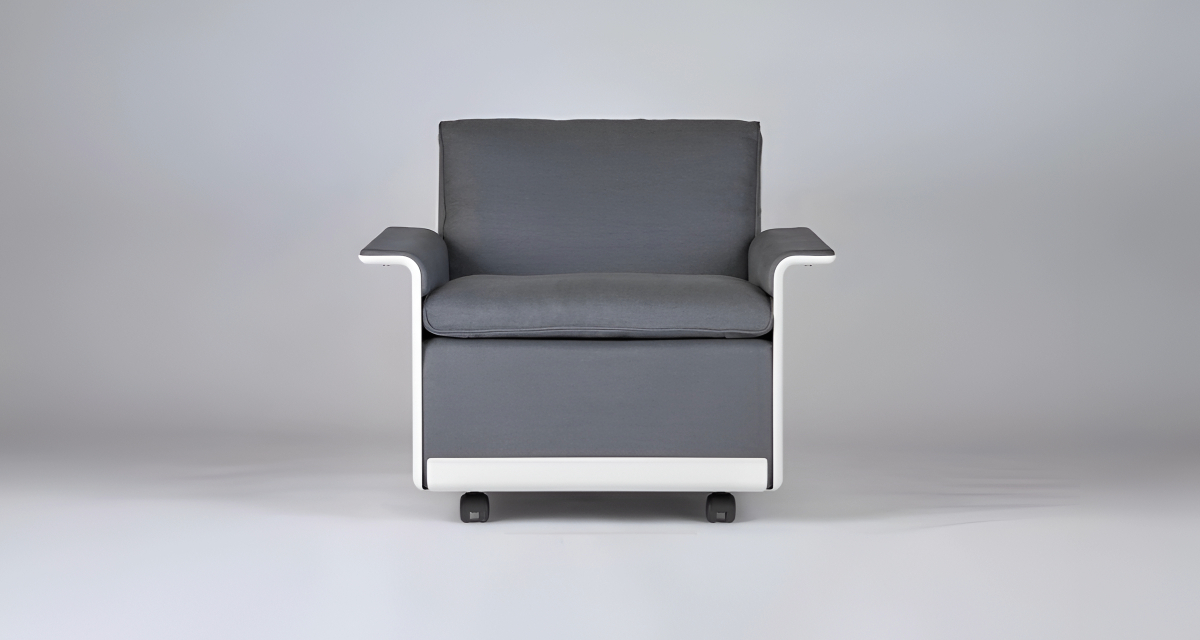
Vitsoe 620 Chair Programme: Dieter Rams Design System
Read more: Vitsoe 620 Chair Programme: Dieter Rams Design SystemThe Vitsoe 620 Chair Programme, developed by Dieter Rams in 1962, was designed around the possibility of change. At first glance, the 620 appears almost restrained to the point of anonymity. Its upholstered cushions sit within a compact structural frame, creating a visual clarity that…
-
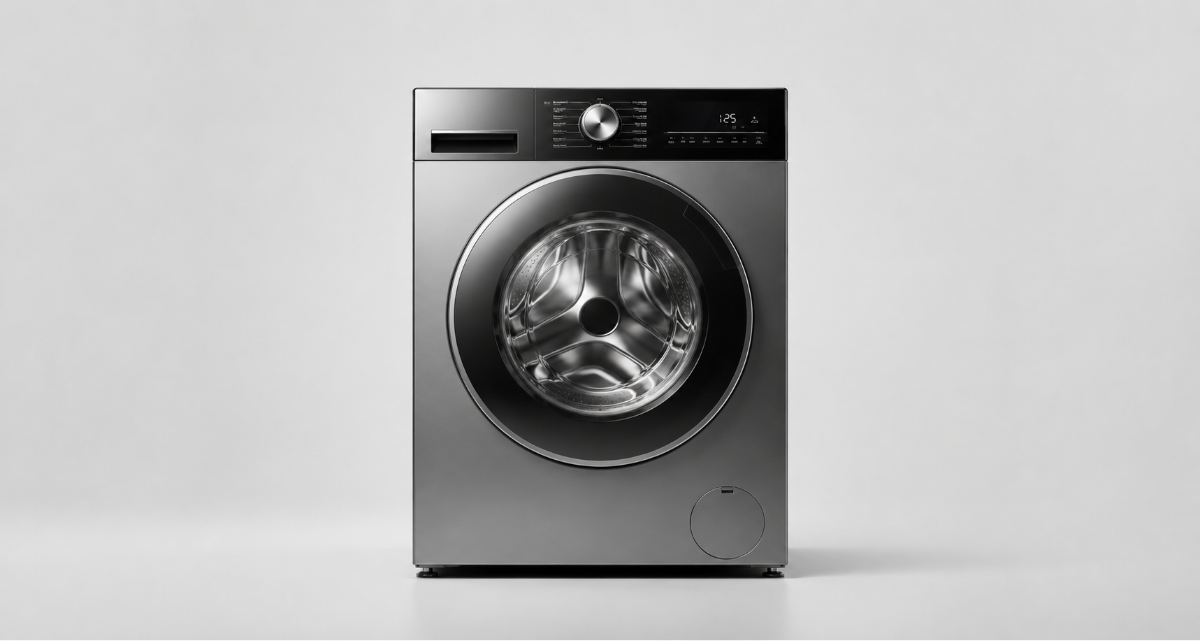
Washing Machine: Laundry Reinvention by Design
Read more: Washing Machine: Laundry Reinvention by DesignThe washing machine occupies a modest physical space, usually against a wall or beneath a worktop, yet its cultural consequences are enormous. The machine transformed laundry from an exhausting manual process into an automated domestic routine, altering the organization of time, household labour, hygiene, architecture,…
-
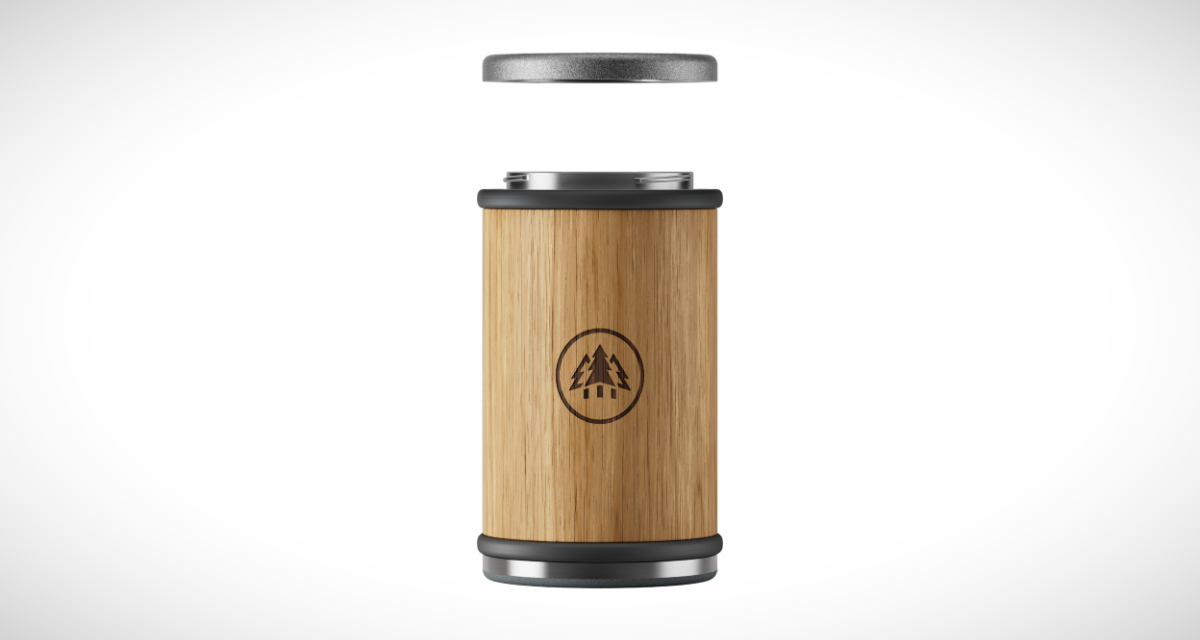
HORL Knife Sharpener: A Rolling Sharp Design
Read more: HORL Knife Sharpener: A Rolling Sharp DesignA knife sharpener usually belongs to the category of tools people remember only when something has gone wrong. The blade drags through a tomato skin, a paring knife crushes an onion, or a chef’s knife demands uncomfortable pressure. Sharpening then appears as maintenance, an interruption…
-
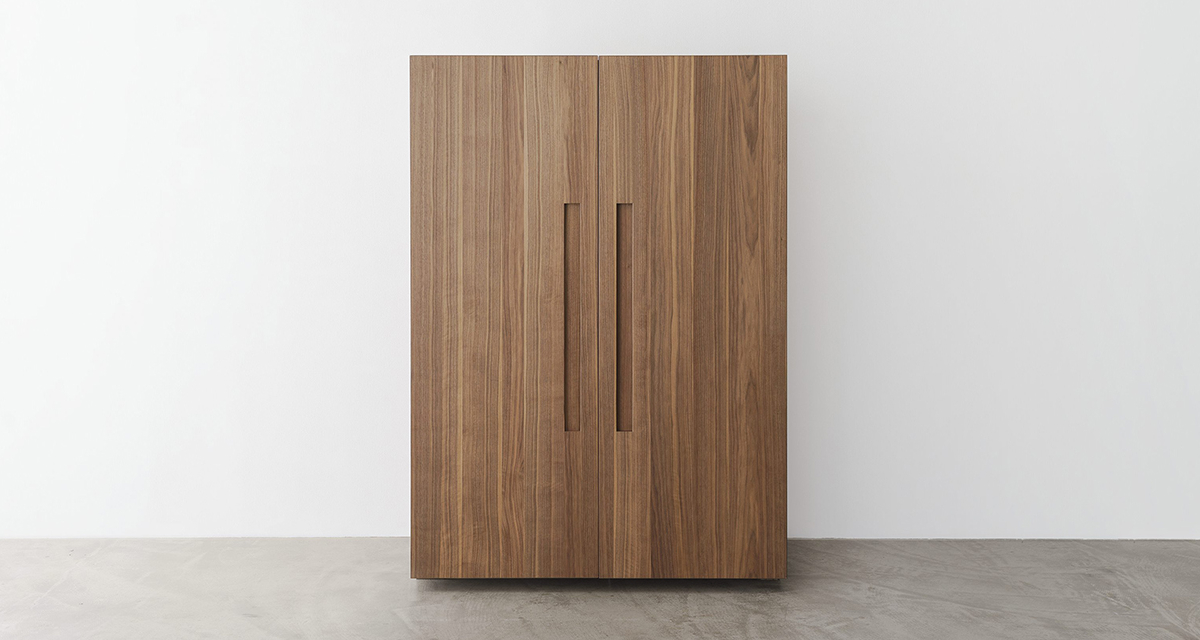
Bulthaup System B: Otl Aicher Kitchen Design Vision
Read more: Bulthaup System B: Otl Aicher Kitchen Design VisionThe Bulthaup System B developed through the collaboration between entrepreneur Gerd Bulthaup and designer Otl Aicher in the early 1980s, it emerged from a sustained investigation into cooking as a sequence of physical, social, and sensory activities. A conventional kitchen is typically organized as a…
-

Chanel 2.55 Handbag: Timeless Luxury Design
Read more: Chanel 2.55 Handbag: Timeless Luxury DesignThe Chanel 2.55 Handbag transformed the relationship between fashion, function, and personal freedom, becoming one of the most influential accessories ever created. Introduced in February 1955, the handbag reflected a philosophy that placed everyday usability alongside elegance. At a time when many women’s handbags demanded…
-

Go Game: Masterclass in Play as Systemic Design
Read more: Go Game: Masterclass in Play as Systemic DesignAmong the most influential designed artifacts in human history, the Go game occupies a curious position. Unlike a chair, a building, or a machine, it possesses almost no physical complexity. Its material components are deceptively modest: a gridded board, black stones, white stones, and a…
-

Panthella Lamp: Verner Panton Art of Light and Design
Read more: Panthella Lamp: Verner Panton Art of Light and DesignSome objects occupy a room. Others quietly transform it. The Panthella lamp, created by Danish designer Verner Panton in 1971, belongs to the second category. It does not announce itself with excessive ornament or visual noise. Instead, it changes the emotional atmosphere around it. A…
-

Nike Logo: Swoosh Story and Design Philosophy
Read more: Nike Logo: Swoosh Story and Design PhilosophyThe Nike logo famous Swoosh is no longer just a corporate identifier attached to shoes and sportswear. It has become a cultural signal, a shorthand for ambition, movement, competition, and personal transformation. In the history of modern logo design, very few symbols carry such emotional…
-
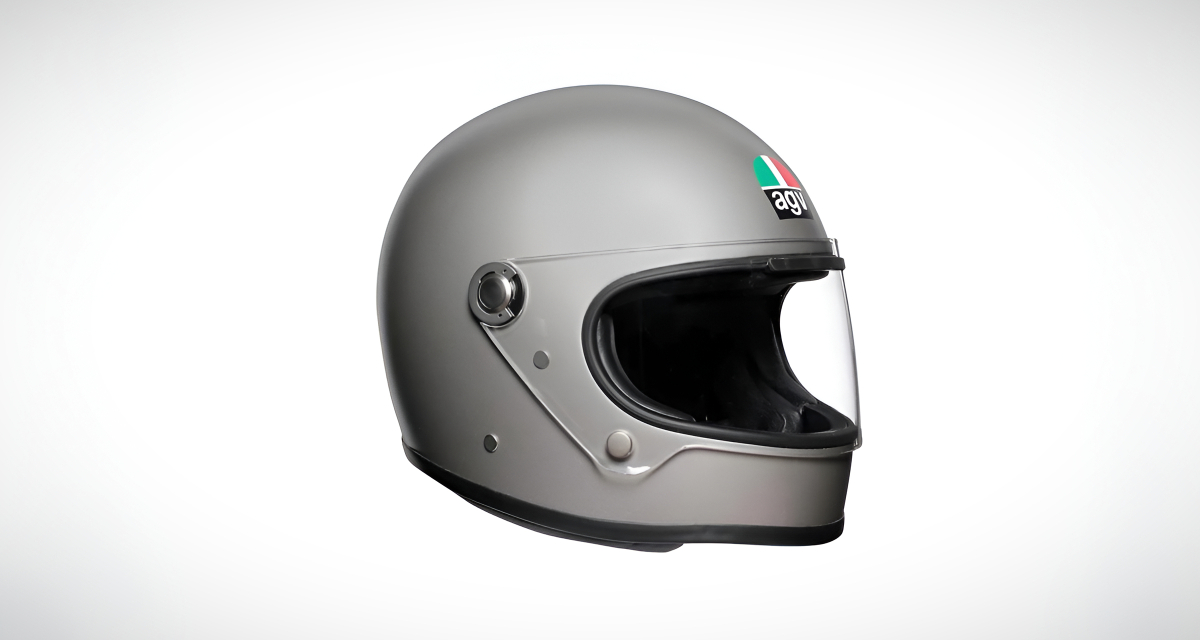
AGV X3000 Helmet: Racing Heritage Meets Timeless Design
Read more: AGV X3000 Helmet: Racing Heritage Meets Timeless DesignSome products solve a problem. Others become symbols. The AGV X3000 Helmet belongs firmly to both categories. Inspired by the golden age of motorcycle racing, the X3000 combines a distinctive vintage silhouette with modern performance expectations. Its rounded shell and unmistakable proportions immediately recall legendary…
INSPIRATIONS CATEGORIES
camera cartography chairs clocks cookware design electronics essentials fashion footware furniture game glassware graphic homeware IoT kitchen knives light luggage map mobility modular nautical navigation optics photography play sound speakers storage tables tech tools transport travel watches weather writing