
-
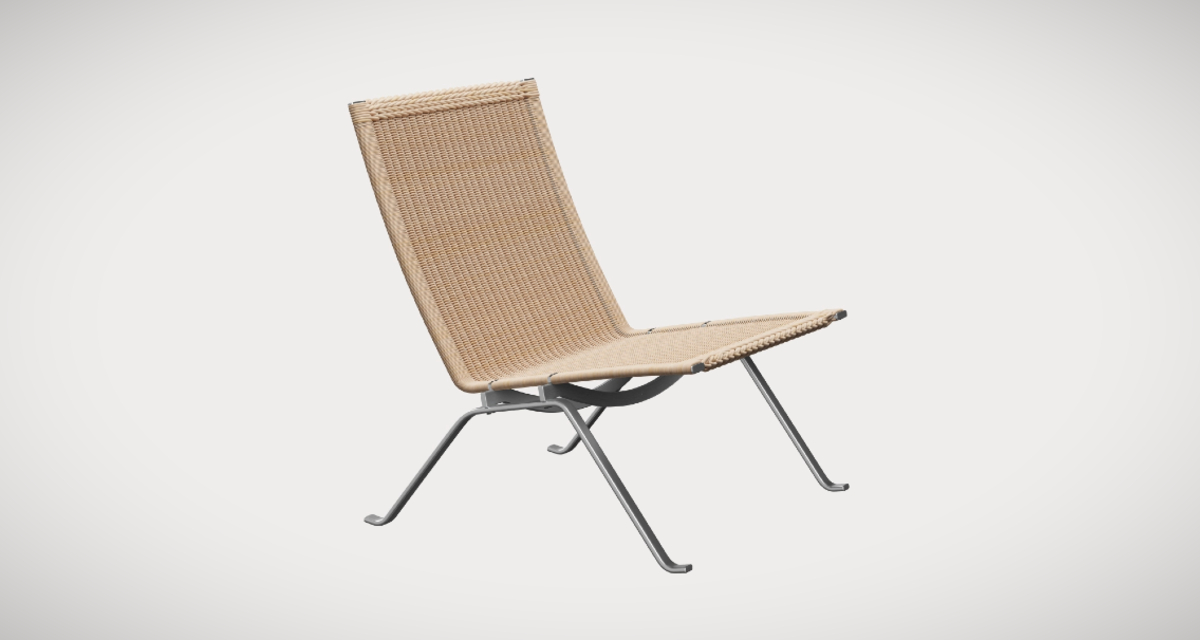
PK22 Chair by Poul Kjærholm: Design, Form and Space
Read more: PK22 Chair by Poul Kjærholm: Design, Form and SpaceThe PK22 Chair is built around a precise visual proposition: a slender steel frame defines the chair while allowing its seat and back to appear almost suspended within it. Its low silhouette brings the body closer to the ground, while the open construction preserves a sense of space around the object. Every element contributes to…
-
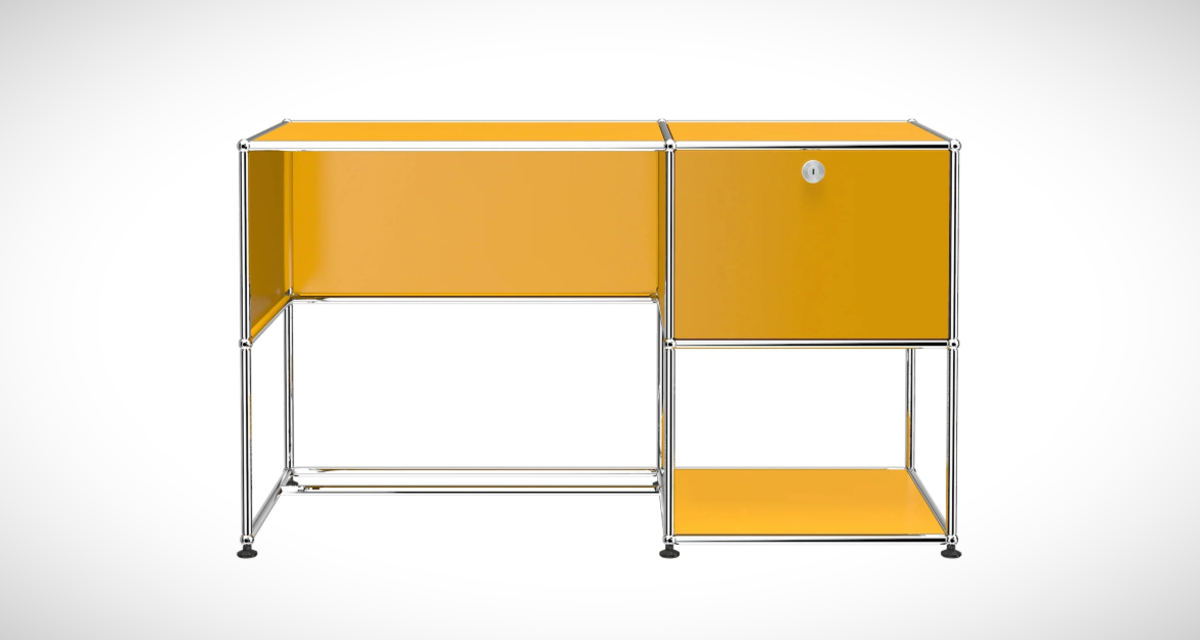
USM Modular Furniture: Time-Proof Design System
Read more: USM Modular Furniture: Time-Proof Design SystemA USM Haller cabinet appears almost self-evident: coloured panels, chrome tubes and small spherical joints arranged in a measured grid. Yet, USM Modular Furniture simplicity conceals an ambitious proposition. Rather than designing a fixed cabinet in different sizes, USM developed a construction system from which furniture could be composed. A sideboard, bookcase, workstation or room…
-

Chemex Coffee Maker: Timeless Design in Glass
Read more: Chemex Coffee Maker: Timeless Design in GlassThe Chemex Coffee Maker can be mistaken for laboratory glassware, tableware or a sculptural carafe. But in fact, its silhouette is immediately recognisable, yet its form depends neither on ornament nor novelty. Brewing, collecting and serving coffee happen in one carefully resolved vessel. Designed by German-born chemist Peter Schlumbohm in 1941, the Chemex gives visual…
-

Coca-Cola Logo: Typography in Global Brand Design
Read more: Coca-Cola Logo: Typography in Global Brand DesignA logo usually asks to be read. The Coca-Cola logo does something more immediate: before the name is fully deciphered, its movement is familiar. The two capital Cs sweep through a connected line of lettering that seems written in one breath. On bottles, cans, shop signs and digital screens, this handwriting identifies a product across…
-

Alessi KG01 Grinder: Konstantin Grcic Industrial Design
Read more: Alessi KG01 Grinder: Konstantin Grcic Industrial DesignA pepper grinder is among the most familiar objects in the kitchen. Its operation is almost prehistoric in its simplicity: hold, twist, crush. Yet the apparent simplicity of the gesture conceals a considerable design problem. The object must translate human movement into mechanical action while remaining comfortable, stable, durable, legible, and visually appropriate to its…
-
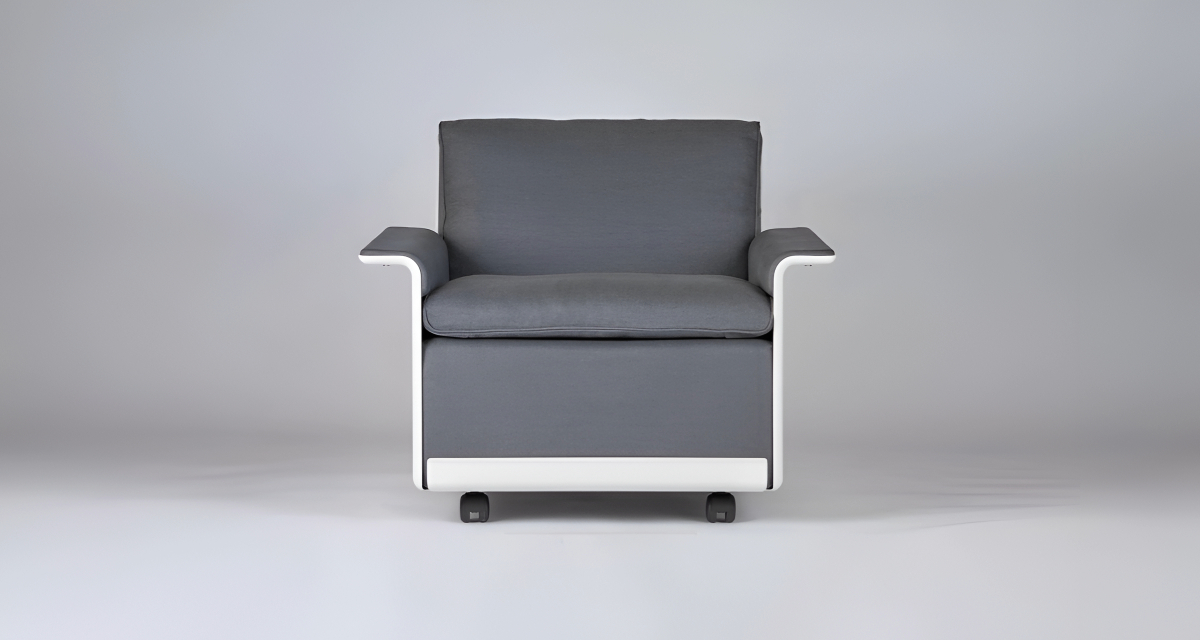
Vitsoe 620 Chair Programme: Dieter Rams Design System
Read more: Vitsoe 620 Chair Programme: Dieter Rams Design SystemThe Vitsoe 620 Chair Programme, developed by Dieter Rams in 1962, was designed around the possibility of change. At first glance, the 620 appears almost restrained to the point of anonymity. Its upholstered cushions sit within a compact structural frame, creating a visual clarity that makes the chair easy to understand. Yet beneath that apparent…
-
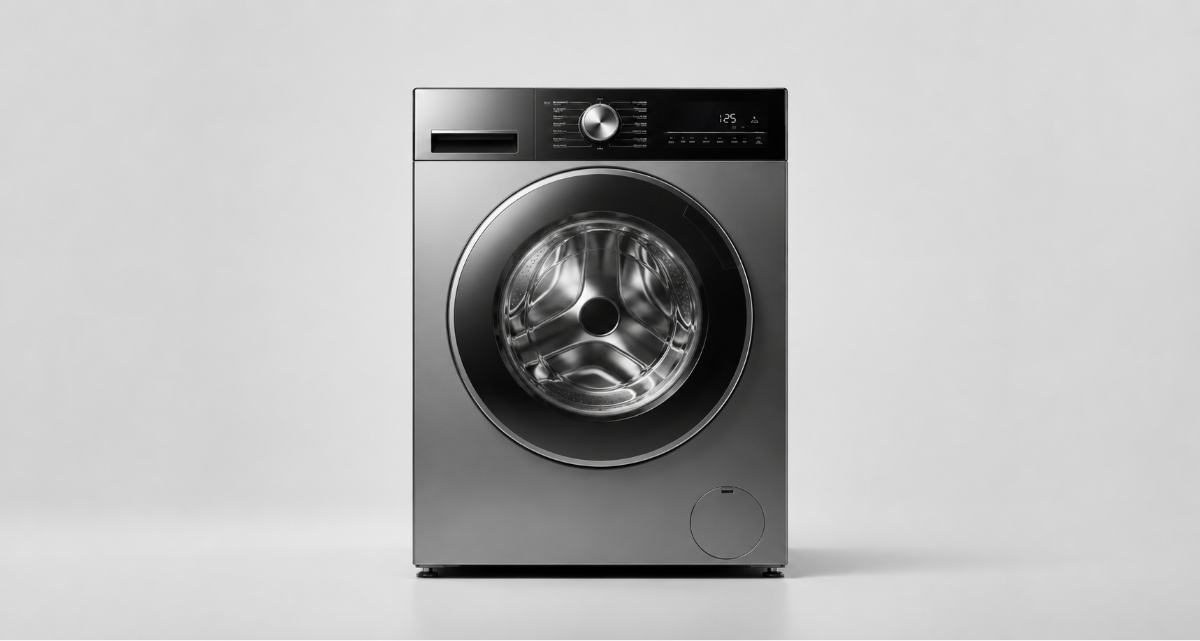
Washing Machine: Laundry Reinvention by Design
Read more: Washing Machine: Laundry Reinvention by DesignThe washing machine occupies a modest physical space, usually against a wall or beneath a worktop, yet its cultural consequences are enormous. The machine transformed laundry from an exhausting manual process into an automated domestic routine, altering the organization of time, household labour, hygiene, architecture, and even expectations of cleanliness. Before mechanization, washing clothes demanded…
-
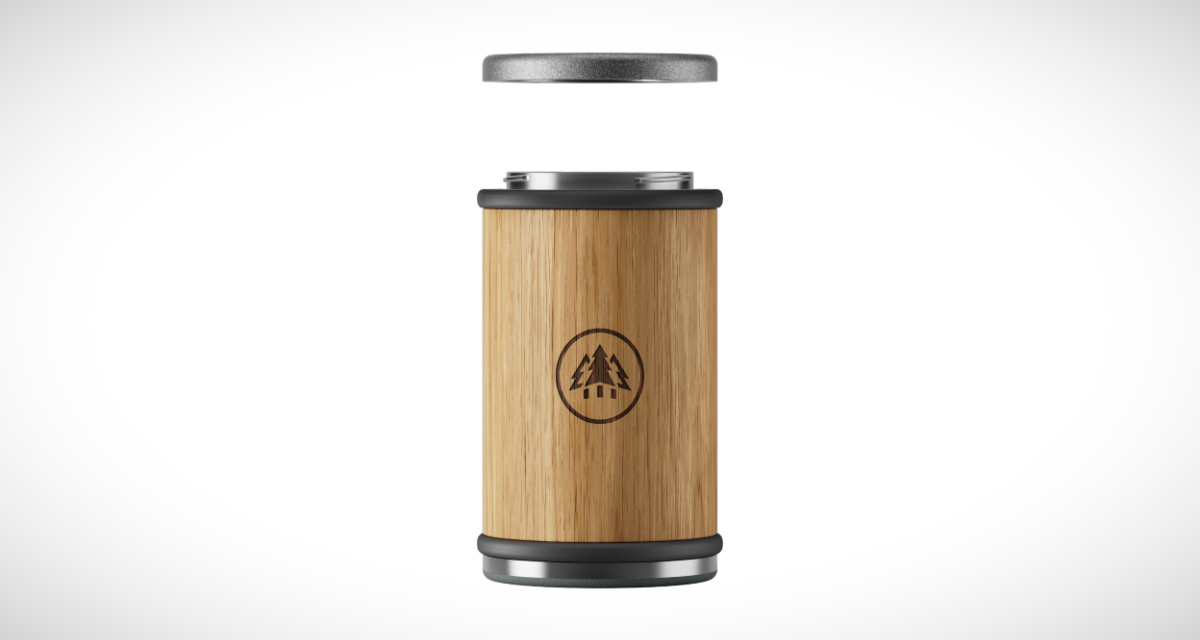
HORL Knife Sharpener: A Rolling Sharp Design
Read more: HORL Knife Sharpener: A Rolling Sharp DesignA knife sharpener usually belongs to the category of tools people remember only when something has gone wrong. The blade drags through a tomato skin, a paring knife crushes an onion, or a chef’s knife demands uncomfortable pressure. Sharpening then appears as maintenance, an interruption between cooking and the next task. The HORL Knife Sharpener…
-
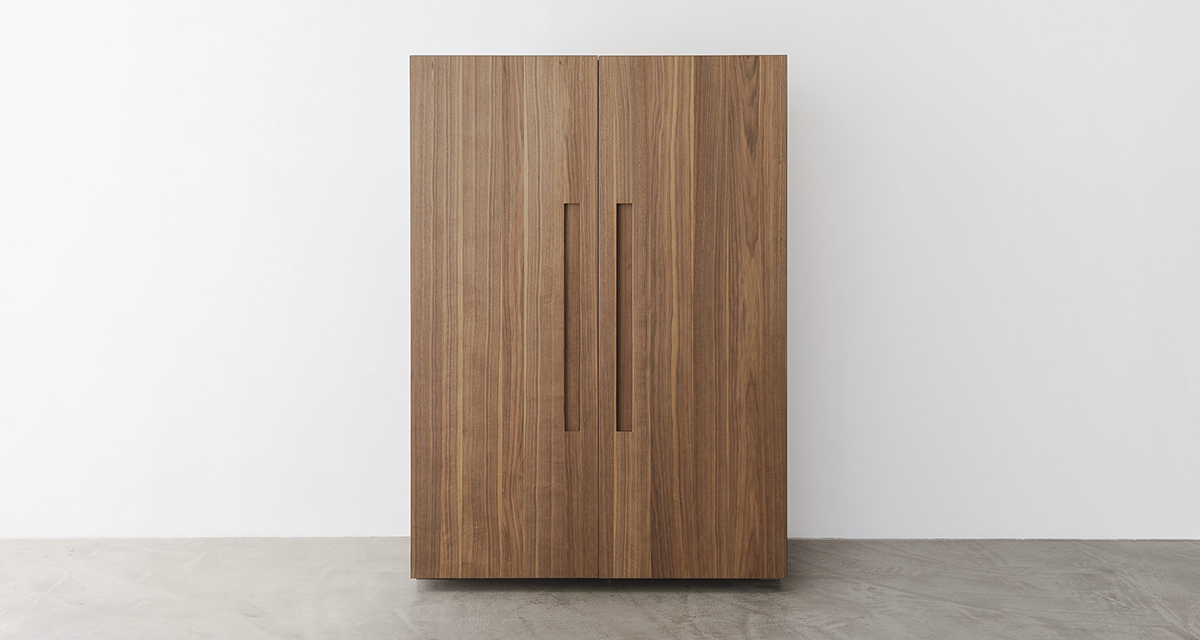
Bulthaup System B: Otl Aicher Kitchen Design Vision
Read more: Bulthaup System B: Otl Aicher Kitchen Design VisionThe Bulthaup System B developed through the collaboration between entrepreneur Gerd Bulthaup and designer Otl Aicher in the early 1980s, it emerged from a sustained investigation into cooking as a sequence of physical, social, and sensory activities. A conventional kitchen is typically organized as a perimeter of fixed elements of cabinets, appliances, and storage units,…
-

Chanel 2.55 Handbag: Timeless Luxury Design
Read more: Chanel 2.55 Handbag: Timeless Luxury DesignThe Chanel 2.55 Handbag transformed the relationship between fashion, function, and personal freedom, becoming one of the most influential accessories ever created. Introduced in February 1955, the handbag reflected a philosophy that placed everyday usability alongside elegance. At a time when many women’s handbags demanded constant attention and occupied one hand, Gabrielle “Coco” Chanel envisioned…