
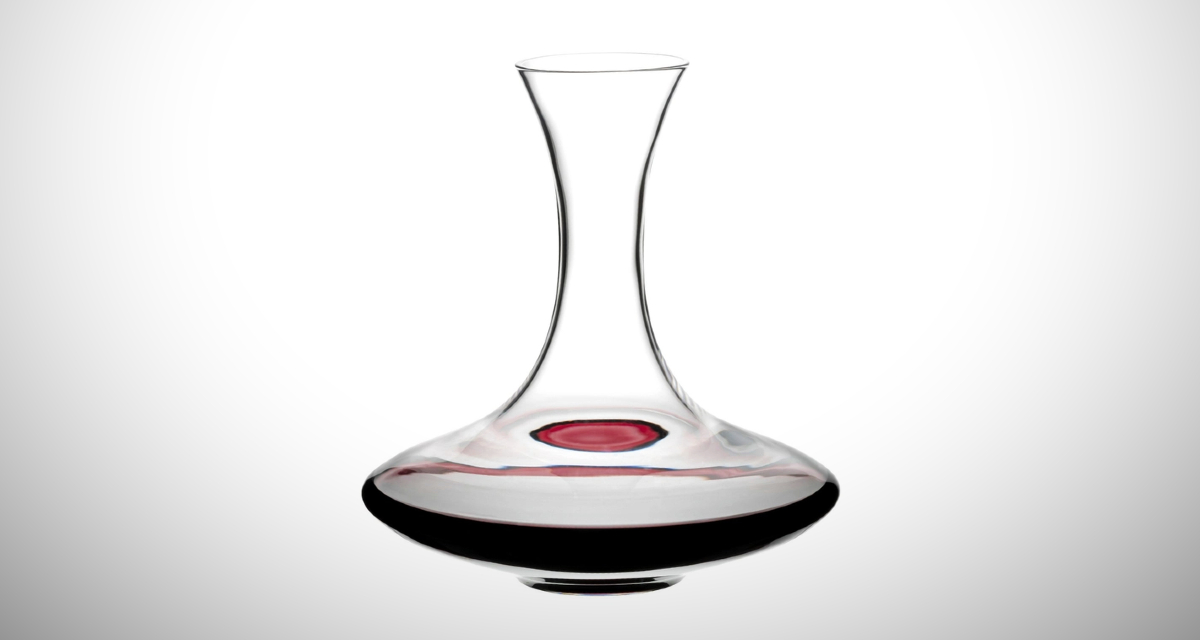
The Riedel Ultra Decanter isn’t just a product. It’s a piece of living design history that connects centuries of craftsmanship with the desires of the modern world. It stands as a quiet rebellion against disposable culture, inviting you to slow down, savor, and engage in the kind of elevated rituals that make life richer.
Whether you’re a sommelier, a casual wine lover, or someone who simply values the beauty of lasting design, the Ultra Decanter offers more than function. It offers presence. And in doing so, it becomes part of your story, too.
A Vessel Rooted in History and Vision
To truly understand the Riedel Ultra Decanter, we need to look back, not just at the product itself, but at the legacy of Riedel, a family-run company that has shaped the global conversation around glass and wine for over 265 years.
The Riedel story begins in 1756 in Bohemia (modern-day Czech Republic), where Johann Christoph Riedel began trading luxury glassware across Europe. His descendants carried the tradition forward through wars, economic upheaval, and industrial revolutions. In the 20th century, Claus J. Riedel made a bold move that would change everything, he shifted the focus of glassware from decoration to function.
This shift crystallized in the 1950s, when Claus began designing wine glasses that were shaped not just for aesthetics, but to enhance the taste and aroma of wine. It was a revolutionary idea that laid the foundation for what would later become the decanter designs we admire today.
The Emergence of the Ultra Decanter
The Riedel Ultra Decanter is no accident. It’s the product of generations of experimentation and a deep commitment to the ritual of wine enjoyment. Its arrival marked a turning point for Riedel, where form and function met in elegant harmony.
Unlike more dramatic pieces in Riedel’s catalog, the Ultra speaks in quiet confidence. It doesn’t rely on elaborate shapes to impress. Instead, it offers balance in aesthetics, in purpose, and in use. Designed for those who value both the ceremony of decanting and practical performance, the Ultra delivers on both fronts.
Its wide, curved base allows maximum surface contact between wine and air, enhancing oxygenation and aroma development. The tall, narrowing neck brings graceful control to every pour. These choices are deliberate, honed through decades of feedback from winemakers, sommeliers, and scientists.
The Ultra was created with versatility in mind. Where other decanters may be theatrical or fragile, this one feels approachable yet elevated. It fits as naturally on a Michelin-starred table as it does in a cozy home setting.
From the beginning, it stood out as modern but not trendy, classic but not old-fashioned. Its clean lines and purpose-driven design quickly made it a favorite of wine professionals and collectors alike.
Today, the Ultra remains one of Riedel’s most gifted and admired designs. It’s a piece that reflects the brand’s core values: thoughtful craftsmanship, timeless design, and a deep respect for the wine it serves.
Design Approach: Where Art Meets Precision
Riedel’s approach to the Ultra Decanter wasn’t about pushing boundaries for novelty’s sake. Instead, the design is grounded in observation, testing, and deep respect for the material.
Made from 24% lead crystal (or crystal glass in newer variations), each Ultra Decanter is hand-blown by master glassmakers, using centuries-old techniques. The silhouette is deliberate, a wide bowl that tapers to a narrow neck, creating a fluid symmetry that is both graceful and pragmatic.
This is not a design born from randomness. Every curve, every proportion, and every edge has been calculated and refined. It reflects a design philosophy that values restraint, clarity, and longevity over trendiness or ornamentation.

Why the Riedel Ultra Decanter Is a Time-Proof Design
Designs that endure across decades or even centuries often share key characteristics. The Ultra Decanter embodies several of these:
1. Function-Driven Beauty
Timeless design always begins with purpose. The Ultra is not merely an object of decoration; its form is an extension of its function. The way it enables aeration, the balance it offers in your hands, and the pour it facilitates, it’s all are rooted in real use. Its beauty emerges from its ability to do its job exceptionally well.
2. Human Connection
There is a tactile, almost intimate relationship between user and object when it comes to the Ultra. It’s not mass-produced with soulless precision. Instead, each decanter is made by a skilled artisan, which adds an element of human connection that machines can’t replicate.
When you hold an Ultra Decanter, you’re also holding the story of the person who shaped it. That kind of craftsmanship doesn’t fade with time, it only becomes more valuable.
3. Emotional Resonance
Objects that become timeless often do so because they forge emotional ties. The Ultra is often present at dinners, anniversaries, celebrations, and quiet moments of reflection. It becomes woven into the fabric of life, not as a passive tool, but as a participant.
This emotional layer gives the design a sense of warmth and permanence that can’t be artificially manufactured.
4. Material Integrity
The use of high-quality lead crystal ensures clarity, brilliance, and durability. Riedel has always prioritized quality materials, and it shows. Even after years of use, the Ultra retains its transparency and elegance, as a clear sign of good design made with longevity in mind.
5. Universality of Form
Great designs often tap into forms that are instinctively pleasing to the human eye. The Ultra’s geometry has a natural, almost mathematical harmony. It echoes the golden ratio without being overt. It’s modern without being cold, classical without being dated.
Other Time-Proof Icons from Riedel
The Ultra Decanter isn’t the only example of time-defying design from Riedel. The company has a rich portfolio of pieces that have become design icons in their own right.
1. Sommeliers Series (1973)
Arguably one of Riedel’s most important contributions to wine culture, the Sommeliers Series was the world’s first grape-varietal-specific glassware collection. Designed by Claus J. Riedel, it redefined how glassware could elevate wine tasting and has remained essentially unchanged for over 50 years.
2. Amadeo Decanter (2006)
Inspired by the lyre shape, this hand-blown decanter was released to celebrate the 250th anniversary of Riedel. It combines bold design with precise function, and while more dramatic than the Ultra, it shares the same DNA of thoughtful craftsmanship and functional clarity.
3. Vinum Series
Launched in the 1980s, the Vinum Series made varietal-specific glassware more accessible to the everyday wine enthusiast. It’s a perfect example of how design can be democratic and refined at once.
How the Ultra Will Stay Relevant in the Future
The world is changing rapidly. Our tastes, technologies, and rituals are evolving in response to climate shifts, digital culture, and a growing desire for intentional living. Amidst this transformation, the Riedel Ultra Decanter is not only relevant, it’s remarkably future-proof.
1. Sustainability and Longevity
One of the growing tenets of contemporary design is sustainability. People are moving away from disposable, mass-produced items in favor of pieces that are built to last. The Ultra Decanter fits perfectly into this mindset. Its durability, quality materials, and timeless design mean it is not something you buy and toss, it is something you invest in, care for, and pass down.
As environmental concerns become more central to consumer choices, the Ultra will continue to shine as an example of responsible luxury.
2. The Rise of Ritual
In an increasingly digital world, physical rituals matter more than ever. Cooking, setting a table, sharing a bottle of wine, these small acts help ground us. They add texture to our lives. The Ultra Decanter plays a starring role in these rituals.
The act of decanting wine is no longer reserved for experts. Thanks to a growing interest in slow living and sensory mindfulness, more people are looking for ways to make even everyday moments feel ceremonial and enriching. The Ultra supports this shift by being both easy to use and visually elevating.
3. Enduring Cultural Relevance
Great design is not just about function, it’s about cultural fit. As long as wine remains a cultural staple (and there’s no sign of that changing), tools that enhance the wine experience will remain in demand. But not just any tools, tools that elevate the story, that enhance the connection between people and place, between maker and user.
The Ultra doesn’t just pour wine. It amplifies intention, creating a moment of pause, of elegance. It’s the kind of object that speaks to the values of the future: thoughtfulness, craftsmanship, longevity, and beauty.
4. Adaptability to Modern Aesthetics
While the Ultra has classical underpinnings, it also fits seamlessly into modern interiors. Whether you live in a minimalist apartment, a farmhouse kitchen, or a mid-century loft, the Ultra complements your environment without clashing. It’s neutral yet expressive. This chameleon-like quality ensures that it doesn’t age out of fashion because it was never about fashion to begin with.
It’s about refined utility. That’s what will always be in style.
A Decanter Design to Last
To call the Riedel Ultra Decanter merely a decanter would be to miss the point entirely. It’s a sculpture with a purpose, a tool with soul, and a link in a chain of design history that stretches back more than two centuries.
It represents what happens when design is allowed to breathe, much like the wine it cradles, slowly revealing layers of thought, history, and feeling. It invites you to slow down, to notice, to appreciate and in doing so, it becomes timeless.
In the Ultra Decanter, we see not just a product, but a philosophy. A belief that the best things in life are not rushed, not flashy, but crafted with care and meant to last.
As long as people value excellence, ritual, and beauty, the Ultra Decanter will remain not just relevant, but essential.