
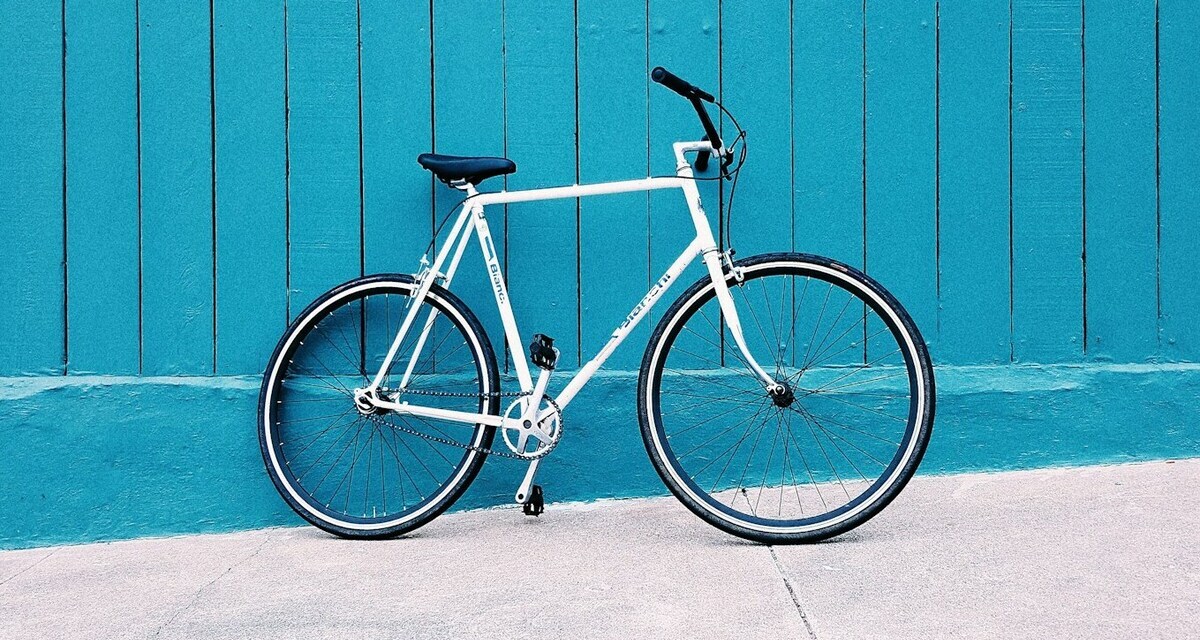
The bicycle timeless design is an invention that has stood the test of time, evolving over centuries yet remaining fundamentally true to its original purpose: efficient, sustainable, and personal transportation. This article goes into the bicycle’s origins, explores why its design endures, and examines how it continues to be a relevant and cherished mode of transport today and for the future.
The Origins of the Bicycle
The history of the bicycle dates back to the early 19th century. The first precursor was the Draisine, or “running machine,” invented by Baron Karl von Drais in 1817. This rudimentary two-wheeled device lacked pedals, requiring riders to propel themselves by pushing off the ground with their feet. Despite its simplicity, the Draisine established the fundamental principles of bicycle mechanics.
The next significant milestone came in the 1860s with the Velocipede, or “boneshaker,” which introduced pedals attached to the front wheel. By the 1880s, the safety bicycle was born, featuring equal-sized wheels and a chain drive system. This model resembled modern bicycles and made cycling safer and more accessible to the masses.
Why the Bicycle is a Time Proof Design
The bicycle’s enduring usefulness lies in its simplicity and functionality. Here are key reasons why the design remains timeless:
- Efficiency: Bicycles convert human energy into motion with unmatched efficiency. They are one of the most energy-efficient means of transportation ever created.
- Sustainability: With zero emissions, bicycles are an environmentally friendly alternative to motor vehicles, aligning with modern priorities for reducing carbon footprints.
- Universality: Bicycles cater to all demographics, from children learning to ride to professionals commuting to work or athletes competing in races.
- Modularity: The core design can adapt to various uses, from road racing and mountain biking to leisurely cruising and urban commuting.
- Repairability: With relatively simple mechanics, bicycles are easy to maintain and repair, extending their usability over decades.
Timeless Models That Define the Bicycle’s Legacy
Certain bicycle models have achieved iconic status due to their innovative design and enduring popularity. Examples include:
- Penny-Farthing (1870s): While impractical by today’s standards, its large front wheel and elegant frame symbolize the early experimentation in bicycle design.
- Schwinn Sting-Ray (1960s): Known for its banana seat and chopper-style handlebars, this bicycle became a cultural icon for its distinctive design and appeal to youth.
- Raleigh Chopper (1970s): Another classic that blended functionality with style, reflecting the era’s aesthetic trends.
- Brompton Folding Bike (1976): A marvel of compact design, the Brompton remains a favorite among urban commuters for its portability and ingenuity.
- Specialized Stumpjumper (1981): The first mass-produced mountain bike, this model revolutionized off-road cycling and remains a benchmark in the field.
Design Concepts and Approaches
The bicycle’s design philosophy revolves around lightweight materials, ergonomics, and efficiency. Advances in materials such as carbon fiber, aluminum, and titanium have enabled lighter, stronger frames. At the same time, aerodynamic designs and suspension systems cater to both performance and comfort.
Designers also focus on modularity and personalization. For example, modern bicycles come with adjustable handlebars and seats, detachable components, and electronic enhancements like pedal-assist motors and GPS navigation systems.
Bicycle Gallery:


The Bicycle Timeless Design Future: Why It Will Remain Relevant
As the world grapples with urban congestion, climate change, and rising fuel costs, bicycles are increasingly seen as a solution for the future. Here’s why:
- Urban Integration: Cities worldwide are investing in bike-sharing systems and dedicated bike lanes, making cycling safer and more accessible.
- Technological Integration: Innovations such as e-bikes, smart helmets, and integrated apps ensure bicycles remain cutting-edge.
- Cultural Shift: A renewed focus on fitness, wellness, and sustainability makes cycling more appealing across generations.
- Affordability: Bicycles remain a cost-effective option, making them accessible to people in both developed and developing countries.
Bicycle: A Design for the Ages
The bicycle timeless design is a testament to human ingenuity and adaptability. From its humble beginnings as a wooden Draisine to today’s sleek, high-tech models, the bicycle continues to meet the demands of an ever-changing world. Its ability to combine practicality, efficiency, and environmental consciousness ensures its place in the future of transportation and human culture.
Whether as a tool for fitness, a mode of daily commuting, or an expression of freedom, the bicycle remains a shining example of design that is truly time proof design.