
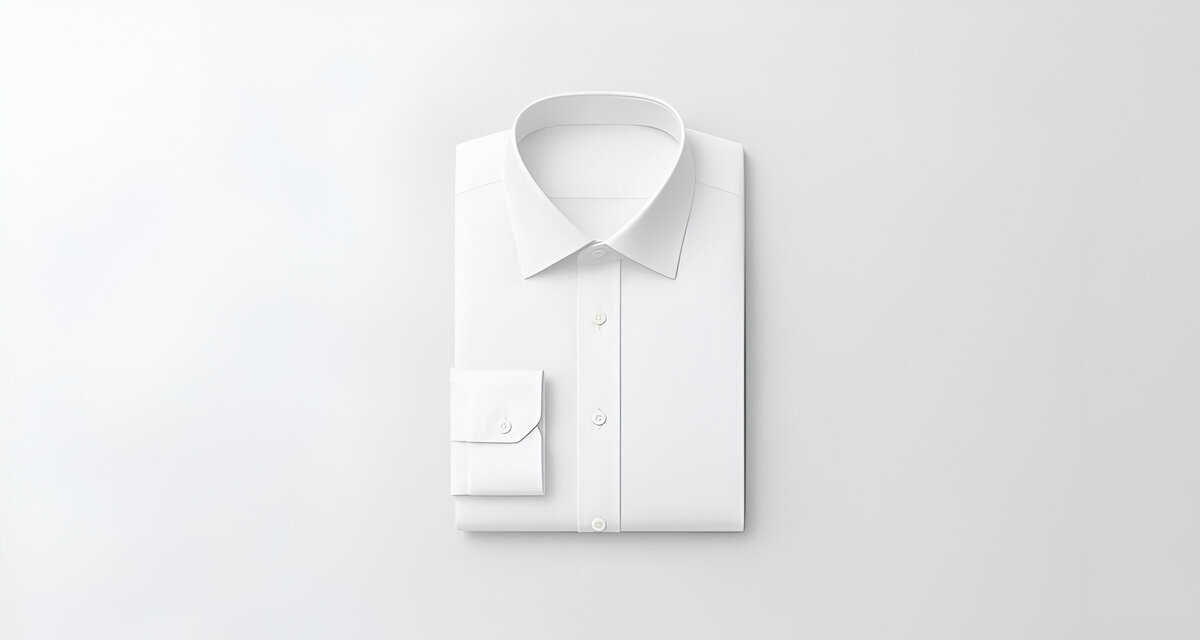
The Classic Collar Shirt defines modern dress, it is at once a product of industry and artistry, a garment that connects craftsmanship, geometry, and culture in a way few designs ever have. The shirt has not only survived the turbulence of changing aesthetics but has continuously adapted, becoming a mirror of progress, discipline, and individuality.
To study the classic collar shirt is to examine the very logic of timeless design. Its endurance lies not in nostalgia but in the perfect calibration between form and purpose. It is a design so complete that even when reinterpreted, its essence remains unshaken.
Classic Collar Shirt Early Shape of Order
The origins of the collar shirt reach back to a time when clothing expressed hierarchy as much as identity. In the 16th and 17th centuries, shirts were private garments worn beneath coats and tunics, but the collar became the visible indicator of refinement. The ruffled neckpieces of European courts, starched into elaborate displays, were as much architectural as they were sartorial. They spoke of discipline, social standing, and control.
By the late 18th century, however, the world began to value utility over ostentation. The Industrial Revolution redefined daily life, and clothing followed suit. Linen and cotton replaced lace, practicality replaced grandeur, and the collar evolved from decoration into structure. Its role became functional: to frame the face, to protect the neck from outer garments, and to communicate composure.
A key moment in this evolution came in 1827, when Hannah Montague of Troy, New York, cut the collar off her husband’s shirt so she could wash it separately. The innovation was simple but profound. It made cleanliness efficient, introduced modularity into apparel design, and inadvertently founded an entire industry. The town became known as “Collar City,” and detachable collars soon spread across the Western world. This moment represents one of the earliest examples of industrial design thinking applied to clothing, an elegant solution born from domestic necessity.
The Nineteenth Century: Precision Meets Identity
The 19th century transformed the collar shirt from a domestic article into a global standard. Tailoring techniques improved, buttons became mass-produced, and patterns were standardized. The shirt evolved into a system: the yoke, placket, cuffs, and collar became modular elements in a carefully engineered whole.
This new structure was not merely aesthetic, it represented a way of thinking. The shirt was a tool of order and modernity, a garment that embodied the emerging values of the industrial age. Its design reinforced a sense of proportion and self-control. The collar, upright and symmetrical, provided a sense of discipline, both visual and moral.
When Brooks Brothers introduced the button-down collar in 1896, inspired by English polo players who secured their collars during sport, the shirt gained new functionality. It could move with the body, stay in place, and maintain its form without constant adjustment. This subtle refinement made it both practical and elegant, an equilibrium that defines timeless design.
The Twentieth Century: A Universal Language
The 20th century democratized the collar shirt. Once an emblem of bourgeois respectability, it became an essential part of global life. As society shifted, so did the meanings attached to it. The shirt became a cultural language that could express conformity or rebellion, precision or ease.
In the 1920s, soft collars replaced rigid detachable ones, marking the transition from industrial discipline to modern comfort. The shirt began to express not only status but attitude. By mid-century, the white shirt had become an international symbol of professionalism and trust, yet it also found its place in cinema and art as a gesture of nonconformity.
Think of James Dean in a slightly rumpled shirt, sleeves rolled; Katharine Hepburn, wearing one as a statement of independence; or Yves Saint Laurent, who redefined it for women in his 1966 Le Smoking collection. Each used the same garment to communicate something different, proof that good design gains strength through interpretation.
Through minimalism, punk, and streetwear, the shirt has never disappeared. It changes fabric, fit, and context, but not its fundamental architecture. It remains the same intelligent framework upon which style can evolve.
The Design Logic: Anatomy of Balance
If we examine the design of the classic collar shirt with the eyes of a product designer, we find a masterclass in proportion and logic. The shirt is a study in relationships: between rigidity and fluidity, visibility and modesty, individuality and conformity.
Every part has intent. The collar acts as a frame, focusing attention on the wearer’s face. The placket provides vertical rhythm, leading the eye down the torso. The yoke distributes tension across the shoulders, while the cuffs anchor the sleeves and echo the collar’s geometry. This is not decoration, it is a coordinated structure where function shapes beauty.
The restraint of the shirt is what keeps it modern. Like a well-designed chair or typeface, it succeeds by doing exactly what it needs to, and nothing more. Its form is rational, yet deeply human. The collar is not just a stylistic line; it is a dialogue between the body, the garment, and the gaze of others. It offers dignity without rigidity.
The Role of Fabric: Material as Philosophy
The evolution of the shirt’s material tells a story of technological and cultural progress. The earliest versions were woven from linen, chosen for its purity and breathability. As cotton became accessible, it redefined the tactile quality of the shirt, softer, easier to maintain, and more suitable for industrial production.
Each fabric variation, poplin, oxford, broadcloth, brought subtle differences in texture and drape, influencing how the shirt behaved and what it communicated. A crisp poplin suggested precision; an oxford weave implied ease. The material became a silent language of context.
Today, the conversation between design and material continues. Sustainable cottons, recycled fibers, and performance weaves preserve the familiar silhouette while aligning with contemporary ethics. The classic collar shirt thrives because it can integrate new technologies without losing its identity. Its logic welcomes innovation.
Classic Collar Shirt as Cultural Barometer
Across decades, the collar shirt has reflected the shifting definitions of work, gender, and identity. It has appeared in the studio, the boardroom, the protest, and the concert stage. It has been worn starched under suits and unbuttoned in defiance.
In cinema and photography, it often marks moments of clarity and transformation. It frames the thinker’s face, the artist’s pause, the worker’s resolve. The shirt carries the symbolism of self-awareness, it is both uniform and expression.
In Japan, designers like Yohji Yamamoto and Rei Kawakubo have treated the white shirt as an object of philosophical study, exploring imperfection, asymmetry, and volume without breaking its integrity. It remains an emblem of craftsmanship in Italian fashion, where the hand of the tailor defines the collar roll to the millimeter. While in America, it continues as a democratic icon: everyday, adaptable, and direct.
Why Timelessness Is Designed, Not Declared
To call the classic collar shirt timeless is not a compliment; it is an observation. Its endurance is not luck, it is the result of thoughtful design evolution. It has achieved a rare equilibrium between permanence and adaptability.
Timeless design does not resist change; it absorbs it. The shirt’s geometry, materials, and meanings have all shifted, yet its purpose to bring clarity and composure to the human form, has remained constant. That constancy gives it relevance in every generation.
A truly timeless object endures because it answers human needs that do not expire: comfort, proportion, identity. The shirt does this instinctively. It has become a universal grammar of appearance.
The Future of the Classic Collar Shirt
The next century of the collar shirt design will likely be defined by sustainability, digital precision, and new relationships between technology and craft. Designers are experimenting with biodegradable fibers, near-zero waste patterns, and adaptive textiles that respond to temperature and movement.
Yet, even with these advancements, the essential geometry will remain. The collar will still frame the face; the buttons will still trace the body’s axis. The beauty of the design lies in its capacity to evolve without rupture. It will continue to embody the balance between machine logic and human touch, a balance at the heart of all great design.
The Everyday Ritual
There is something ritualistic about buttoning a shirt. The act connects past and present. It slows time. It is a gesture of readiness, an affirmation of order in a disorderly world. This daily choreography is part of why the shirt endures, it carries both function and emotion.
To wear a classic collar shirt is to participate in a design story that began centuries ago and continues to adapt around us. It teaches discipline without rigidity, elegance without excess. It is, quite literally, design you can live in.
The Quiet Intelligence of Timeless Design
The Classic Collar Shirt stands as proof that great design is not about invention, but refinement. Survived revolutions in fashion and industry because it embodies the principles that make design last: clarity, proportion, and purpose.
Framed the faces of scientists and artists, soldiers and poets, entrepreneurs and philosophers. It has absorbed the contradictions of modern life and made them coherent. Remains as modern today as it was a hundred years ago, because it continues to align with human sensibility.
In the end, the collar shirt is not only an object of style. It is a reminder of what thoughtful design can achieve: quiet intelligence, enduring relevance, and the ability to adapt without losing soul. Its story is not finished and that is precisely why it remains timeless.