
The belt design has been with humanity for thousands of years, quietly binding together not only garments but also centuries of culture, craftsmanship, and identity. While fashions rise and fall, few objects maintain the same level of relevance across so many eras as the humble belt.
More than just a strip of material that holds trousers in place, the belt is a design story of utility elevated to artistry. From the earliest civilizations to today’s global fashion runways, its form and function continue to evolve without ever losing touch with its origins.
The Origins of Belt Design in Ancient History
The story of the belt’s design begins in the early stages of human civilization. Archeological evidence shows that belts were already present in Bronze Age societies, where strips of leather, textiles, and even metal plates were used to fasten clothing. The belt’s earliest role was practical: securing garments that lacked modern tailoring. Yet very quickly, it became symbolic.
In ancient Mesopotamia and Egypt, belts adorned with intricate metal fittings or woven patterns denoted social rank. Warriors in these regions often wore decorated girdles not just to fasten tunics but to carry tools, weapons, or pouches. Belts here were already a marriage of functionality and identity, both utilitarian and expressive.
Moving into classical antiquity, Roman soldiers famously used the cingulum, a belt with metal decorations that not only served to hold weapons but also symbolized their military status. Losing one’s belt in battle was considered dishonorable, as the object represented dignity as much as duty. Roman citizens too embraced the belt in their tunics and togas, giving it both civic and personal meaning.
This duality, between function and symbolism, established a design language that still survives in the modern belt. It was never just an accessory. It became a visual statement about belonging, order, and strength.
Belt Design in the Middle Ages
By the Middle Ages, belt design had taken on an even deeper role in society. Belts became central in both male and female dress. Knights wore ornate belts and girdles as part of their armor, often decorated with metal studs, buckles, and heraldic engravings. For noble families, gifting a belt was a way of showing loyalty and affection. The belt was also integrated into ceremonial dress, carrying meanings of authority and prestige.
Women’s belts in medieval Europe were often lavishly decorated, sometimes studded with gems or woven with precious threads. They cinched long gowns and emphasized status as much as aesthetics. The craftsmanship of the buckle, often made in bronze, iron, or silver, became an art in itself.
At the same time, practical belts remained crucial for everyday people, farmers, and workers. Simple leather straps fastened their clothing and carried tools. This duality of luxury and simplicity within belt design highlights its adaptability and universal necessity, qualities that help explain its timeless survival.
The Renaissance and Beyond: A Symbol of Refinement
The Renaissance era brought refinement to clothing, and belts evolved to reflect humanist ideals of harmony and proportion. Tailoring became more advanced, yet belts still held an important role in shaping garments. Slim, beautifully tooled leather belts with ornate metal buckles reflected both utility and ornament.
By the 17th and 18th centuries, men’s fashion shifted toward high-waisted trousers and breeches fastened with buttons, which temporarily reduced the prominence of belts. Instead, suspenders became common. However, belts never disappeared entirely; they continued to serve in military contexts and ceremonial dress. Once again, the design’s resilience shone through.
The true revival of belts in everyday men’s wear came in the late 19th and early 20th centuries. With the invention of modern trousers and the rise of uniforms, belt design became indispensable once again. Soldiers in both World Wars wore durable belts not just for securing uniforms but also for carrying gear. After the wars, belts re-entered civilian life with renewed strength, aligning with the cultural shift toward practical, ready-to-wear clothing.
The Modern Belt Design
Today, the belt stands as one of the most time-proof designs in the world of fashion and industrial design. Its form is deceptively simple: a flexible strap, often of leather, textile, or synthetic material, fastened by a buckle. Yet the variations in belt design are endless, with each interpretation serving different functions and cultural expressions.
Luxury brands like Hermès, Gucci, and Louis Vuitton have elevated belts into statements of identity and aspiration. The Hermès “H” belt, for instance, is instantly recognizable across the globe. Similarly, Gucci’s double G belt represents a fusion of heritage and modern branding. These designs are timeless because they balance simplicity with symbolic power, ensuring their relevance across generations.
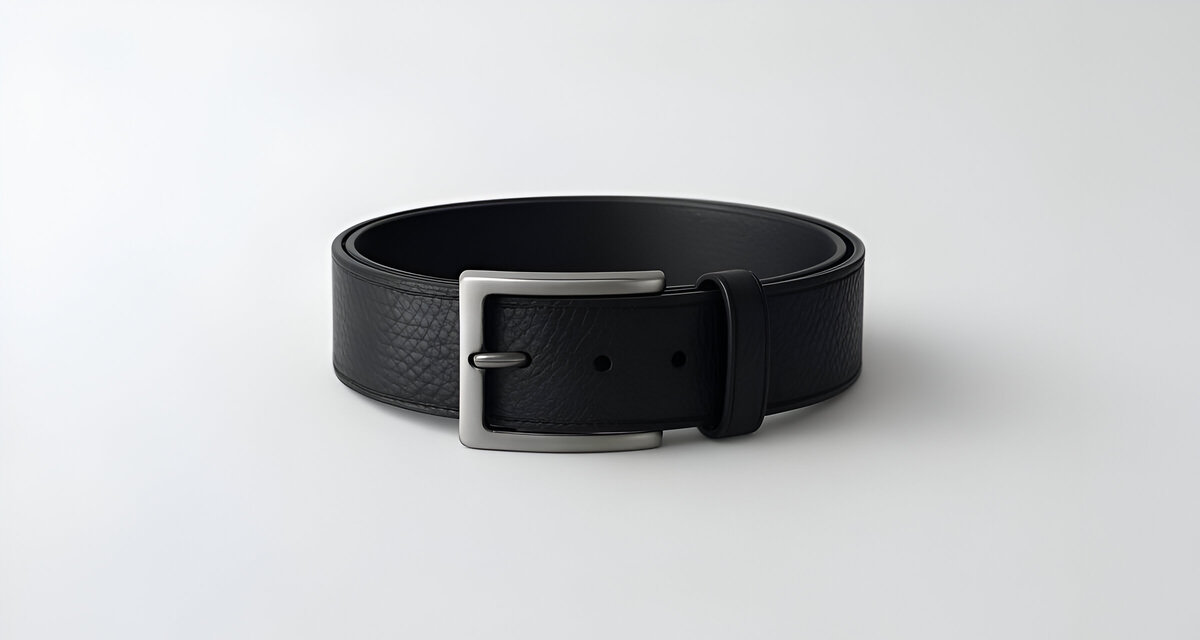
At the same time, belts remain one of the most accessible accessories in fashion. A classic leather belt with a simple metal buckle transcends fashion cycles. It can be worn across decades without ever appearing outdated, thanks to its minimal design rooted in centuries of refinement.
Why Belt Design is Timeless
The enduring success of belt design lies in its unique balance of function, symbolism, and adaptability. Unlike many accessories that are purely decorative, belts solve a universal problem: fastening and securing clothing. This utilitarian foundation gives them relevance in any society, regardless of time period.
On top of that, belts carry symbolic weight. They communicate power, identity, and style without requiring words. From Roman soldiers to modern executives, wearing the right belt signals confidence and presence.
The adaptability of belts also ensures their survival. They have been crafted in leather, fabric, woven nylon, metal, and even sustainable materials like recycled plastics. They have been designed for military use, outdoor adventures, ceremonial occasions, and high fashion. No other accessory has such range while remaining fundamentally unchanged in concept.
This is why belts are a time-proof design. Their form remains simple, their function universal, and their meaning versatile.
The Concept and Approach to Belt Design
At its heart, belt design follows a simple principle: a looping strap and fastening mechanism. Yet within this minimal concept lies endless potential for innovation. Designers approach belts through three main lenses:
- Functionality – ensuring the belt can secure garments effectively, whether through prong buckles, sliding mechanisms, or modern magnetic closures.
- Materiality – experimenting with leather, canvas, suede, technical fabrics, and metals to achieve durability and expression.
- Aesthetic identity – shaping belts as carriers of personal style, from understated minimalism to bold luxury branding.
This modular concept allows for constant reinvention. For example, the military web belt with a sliding buckle remains a staple for its practicality. Meanwhile, luxury belts with branded buckles function as both accessory and status symbol.
Industrial designers today also consider sustainability in belt design, exploring plant-based leathers, recycled textiles, and modular buckles that can be replaced without discarding the entire belt. This new approach ensures the belt will stay relevant in a future defined by environmental consciousness.
Timeless Belt Models
Throughout history, several belt designs have proven themselves truly timeless:
- The Roman Cingulum: A military belt that combined utility and identity, still inspiring ceremonial designs today.
- The Medieval Girdle: Often ornate, yet structurally simple, it remains echoed in modern waist belts used in women’s fashion.
- The Classic Leather Belt with Prong Buckle: Ubiquitous in menswear, its design has remained nearly unchanged for centuries.
- The Military Web Belt: Developed in the 20th century, still widely used for uniforms, outdoor gear, and casual wear.
- Luxury Branded Belts: From Hermès to Gucci, these remain instantly recognizable modern icons, blending heritage and contemporary appeal.
Each of these models illustrates the enduring relevance of belt design, anchored in history yet adaptable to the needs and desires of each generation.
The Future of Belt Design
Looking forward, belts will continue to be relevant not just for practical use but also as cultural symbols and design canvases. As fashion shifts toward modular, sustainable, and multifunctional items, the belt will likely adapt in new ways. Smart textiles could allow belts to integrate health sensors or digital technology while still maintaining the timeless form of strap and buckle.
The universal need for securing garments, combined with the human desire for ornamentation, ensures that belt design will remain at the core of both everyday wear and cultural expression. As in ancient times, the belt will continue to carry identity, authority, and artistry into the future.
Final Thoughts
The belt design is not just a strip of leather or fabric with a buckle. It is one of the oldest and most enduring creations in human design history. From Mesopotamian warriors to today’s fashion enthusiasts, the belt has held together clothing, cultures, and identities for millennia. Its combination of practicality, symbolism, and adaptability makes it a design beyond time, a rare object that remains relevant regardless of shifting trends.
When you fasten a belt today, you are connecting with a lineage of design that stretches back thousands of years. And just as it has endured for centuries, the belt will continue to remain a timeless part of human expression in the centuries to come.