
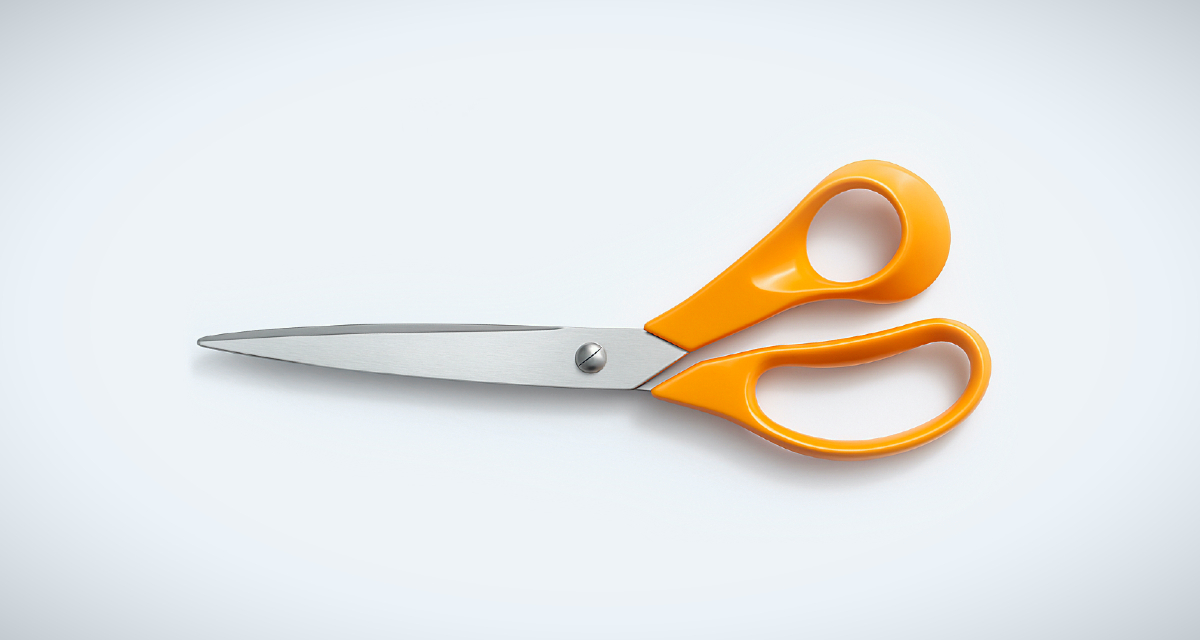
The Fiskars Classic Orange-Handled Scissors has transcended utility and entered the realm of design icons. Born from a humble ambition to improve everyday life, these scissors have become a symbol of lasting innovation, design intelligence, and cultural heritage. With more than a billion units sold worldwide, this bright orange tool is more than just a cutting instrument, it’s a design legend.
In this article, we’ll journey through the origins of the orange-handled scissors, explore their heritage, unpack the unique design philosophy behind them, and discover why they remain relevant and reliable in an ever-changing world.
Fiskars Classic Orange-Handled Scissors and Its Roots in Innovation
To understand why the Fiskars scissors continue to inspire designers and users alike, we need to look back at the company’s roots.
Founded in 1649 in Finland, Fiskars is one of the oldest companies in the Western world. Initially focused on ironworks, the company spent centuries perfecting craftsmanship in tools, blades, and utility products. However, it wasn’t until 1967 that Fiskars would create the product that would define its global identity.
That year, designer Olof Bäckström, working at the Fiskars design department, proposed a radically different concept for household scissors. His idea? Replace the heavy forged steel handles with lightweight plastic, and use hardened stainless steel blades for smoother, more precise cutting.
At the time, this was a bold move. Most scissors were utilitarian, heavy, and unsightly. Bäckström’s model not only cut better but was far easier to use. And the finishing touch? A bright orange handle, not the original plan, but a color accidentally selected from leftover plastic during prototyping. The team loved it, and the color stuck.
This accidental choice gave the product a unique personality. In 2003, the color Fiskars Orange™ was officially registered as a trademark in Finland and the United States.
Design That Endures: The Philosophy Behind the Fiskars Classic Orange-Handled Scissors
What makes the Fiskars Classic Scissors a time-proof design?
At first glance, their appeal seems simple: they work. But behind this apparent simplicity lies a philosophy of functional minimalism, ergonomic insight, and purposeful design. The designers focused on enhancing the user experience, not just improving aesthetics.
Ergonomics First
The lightweight plastic handles introduced a new era of comfort. No longer did scissors have to strain the hands. By designing a handle that fits naturally in the human grip, Fiskars ensured less fatigue, even after extended use. This user-centered approach was revolutionary at the time.
Precision Engineering
The scissors feature stainless steel blades that are precision-ground to ensure sharpness over thousands of cuts. The blades are slightly angled, aligning perfectly when pressure is applied, making the cut smoother and cleaner. The combination of materials and blade design provides consistent performance, whether you’re slicing through fabric, paper, or cardboard.
Balance and Durability
Another secret to their lasting popularity is their perfect balance between blade and handle. This creates a sense of control and ease that few other scissors can match. The plastic handles are durable and impact-resistant, while the blade mechanism maintains alignment over years of use.
More Than a Tool: Cultural and Artistic Impact
The orange-handled scissors didn’t just win hearts in the household, they gained a place in cultural institutions. Their minimal form and maximum function have been celebrated in museums and design exhibitions around the world.
They have been featured in:
- The Museum of Modern Art (MoMA) in New York
- The Cooper Hewitt Smithsonian Design Museum
- The Design Museum Helsinki
Their inclusion in these institutions underlines their importance not just as a utility item but as an object of design history. Few tools have had such a widespread cultural influence while remaining affordable and accessible.
Models That Stand the Test of Time
Over the decades, Fiskars has developed several models based on the classic design, each tailored for different tasks. However, all remain faithful to the core design philosophy that made the original a success.
Fiskars Classic Universal Scissors
The original model that started it all. Ideal for general household use, it still features the distinctive orange handle, ergonomic form, and legendary cutting precision.
Fiskars Softgrip Scissors
While visually similar to the classic, these include soft-grip inserts for additional comfort, especially useful for those with arthritis or extended usage needs.
Fiskars Amplify Shears
Designed for heavy-duty fabric cutting, the Amplify line uses intelligent blade technology that senses blade separation and adjusts to maintain perfect cuts through thick layers.
Each of these designs carries forward the DNA of the original, form meets function, with no unnecessary embellishments. This adherence to essential design keeps them timeless.
Why the Fiskars Classic Orange-Handled Scissors Will Always Matter
We live in an age of disposable products. Design trends change, materials shift, and yet, the Fiskars scissors remain constant. Here’s why this iconic object will stay relevant:
1. Timeless Utility
Scissors will always be a necessity. As long as humans have materials to cut, they will need a tool that performs. The Fiskars model isn’t bound to a tech trend or fashion cycle. It simply works.
2. Emotional Durability
Objects that are loved and appreciated tend to last longer in our lives. The orange-handled scissors often become a part of family traditions. They are handed down, taken to school, brought into studios, and kept in sewing kits for generations. They age with us.
3. Universality
The scissors transcend language and culture. Whether you’re a designer in Japan, a tailor in Italy, or a student in Canada, you instantly recognize the bright orange handle and associate it with precision and reliability.
4. Design Sustainability
In today’s design world, sustainability is not just a trend, it’s a necessity. The long-lasting nature of the Fiskars scissors promotes a sustainable lifestyle, buy once, use for decades. This kind of design thinking aligns perfectly with future consumer expectations.
Lessons from a Design Classic
What can modern designers learn from the success of the orange-handled scissors?
- Function comes first: Solve a real problem with clarity and purpose.
- Simplicity is powerful: Avoid unnecessary complexity. A clean, straightforward approach can make a product universally accepted.
- Let the user guide the design: User comfort and experience should always lead design decisions.
- Be open to the unexpected: The orange color wasn’t planned, but it became a vital part of the brand. Sometimes, accidents can become assets.
The Legacy of Everyday Design
The orange-handled scissors represent something more than just design excellence. They speak to a philosophy where everyday objects are given the same care and creativity as luxury goods. By treating household items as worthy of thoughtful design, Fiskars helped elevate the entire category of tools.
Their continued success proves that people still value quality, usability, and character in the items they rely on daily.
A Bright Future, Still Orange
As we look ahead, it’s easy to see how this classic tool will remain relevant. With increased appreciation for authentic craftsmanship, heritage brands like Fiskars are more respected than ever. Their commitment to quality and timeless design keeps them aligned with current values, even as new generations discover them for the first time.
In an age where everything is being digitized, where screens often replace touch, the Fiskars Classic Orange-Handled Scissors remind us of the joy in tangible, tactile utility.
They continue to cut cleanly through paper and through time.
Conclusion: Design That Never Dulls
Whether sitting in a studio, lying in a kitchen drawer, or on display in a museum, the Fiskars orange-handled scissors serve as a reminder that great design is never outdated. Their story is not just one of innovation but of enduring relevance, beauty through function, and thoughtful simplicity.
So next time you reach for a pair of scissors and feel the familiar grip of those orange handles, know that you’re holding a piece of design history, a product that was built not only to last but to be loved, remembered, and used again and again.
The Fiskars Classic Orange-Handled Scissors aren’t just an object. They are a masterclass in time-proof design.