
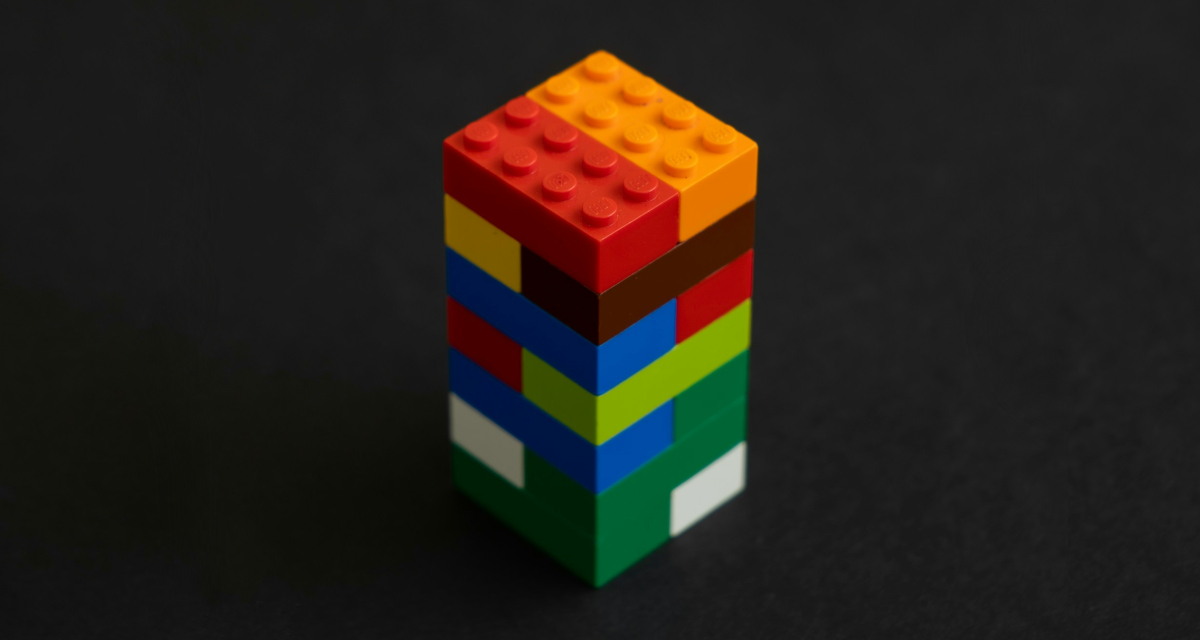
LEGO Building Blocks transcended time, culture, and trends. These vibrant plastic bricks, originally introduced in the mid-20th century, have not only become an essential of childhood but a symbol of ingenuity, creativity, and enduring design. This article explores why LEGO remains timeless, examining the design principles, historical journey, and its relevance for the future.
The Origins of LEGO Building Blocks: A Brief History
The LEGO story begins in 1932, in Billund, Denmark, where Ole Kirk Christiansen, a carpenter, founded a company producing wooden toys. The name “LEGO” derives from the Danish phrase “leg godt”, meaning “play well.” In 1949, the company introduced the Automatic Binding Bricks, which evolved into the iconic LEGO bricks we know today.
The breakthrough moment came in 1958 with the patent of the interlocking brick system. Its unique design, combining clutch power and versatility, allowed for stability and endless combinations. This simple yet revolutionary innovation established LEGO as more than a toy—it became a medium for creation.
Why LEGO Building Blocks are a Time-Proof Design
1. Simplicity Meets Functionality
At the heart of LEGO’s design is the perfect balance between simplicity and functionality. The studs-and-tubes system, unchanged since its inception, ensures that all LEGO bricks, from the 1950s to today, are compatible. This design consistency creates a sense of permanence, allowing generations to connect through shared play.
2. Infinite Possibilities
LEGO’s modular design means the only limit is imagination. Whether it’s recreating the Eiffel Tower, designing a spaceship, or constructing a simple house, LEGO encourages creativity at every skill level. This adaptability ensures it remains relevant regardless of age, interest, or technological advancements.
3. Durability and Sustainability
Made initially from cellulose acetate and later from ABS plastic, LEGO bricks are remarkably durable. Their resilience ensures that they can be passed down, reused, and repurposed for decades. LEGO’s ongoing push for sustainable materials, including plant-based plastics, ensures their relevance in a more environmentally conscious future.
Iconic LEGO Models: A Showcase of Timelessness
1. LEGO Creator Expert: The Modular Buildings Series
These highly detailed sets, such as the Assembly Square and Corner Garage, showcase LEGO’s ability to blend creativity with architectural design. They appeal not just to children but also to adult fans of LEGO, proving the brand’s broad age appeal.
2. LEGO Star Wars Millennium Falcon
The Millennium Falcon is a testament to LEGO’s ability to tap into cultural phenomena while retaining its core design philosophy. Its enduring popularity spans multiple generations of Star Wars fans.
3. LEGO Technic
This line pushes the boundaries of functionality, offering advanced building techniques that mimic real-world mechanics. Sets like the Bugatti Chiron exemplify the blend of engineering and play.
Lego Designs Gallery:


Design Principles That Define LEGO’s Timelessness
1. Universality
LEGO bricks transcend language, culture, and geography. Their universality makes them accessible to anyone, anywhere.
2. Customization
The ability to create something unique ensures that LEGO is never stagnant. Builders can follow instructions for intricate sets or dismantle and repurpose bricks into entirely new creations.
3. Nostalgia
LEGO taps into nostalgia while innovating. Many adults return to LEGO for its therapeutic qualities and the joy of revisiting a cherished childhood activity.
LEGO Building Blocks Future: Why the Design Will Remain Relevant
As the world embraces digital transformation, LEGO is not left behind. Products like LEGO Super Mario, which integrates physical play with digital interaction, ensure the brand adapts without losing its essence.
Moreover, LEGO’s emphasis on education, with lines like LEGO Education SPIKE Prime, positions it as a tool for STEM learning. This forward-thinking approach ensures that LEGO will remain relevant not just as a toy but as a resource for skill development.
Building a Legacy Brick by Brick
LEGO is more than just a toy, it’s a cultural artifact, an engineering marvel, and a tool for boundless creativity. Its time-proof design, rooted in simplicity, adaptability, and universality, ensures its place in the past, present, and future.
As we look to the next decades, LEGO’s commitment to innovation and sustainability will likely only enhance its relevance. Whether you’re a child building your first tower or an adult marveling at a Millennium Falcon replica, LEGO continues to prove that timeless design truly stands the test of time.