
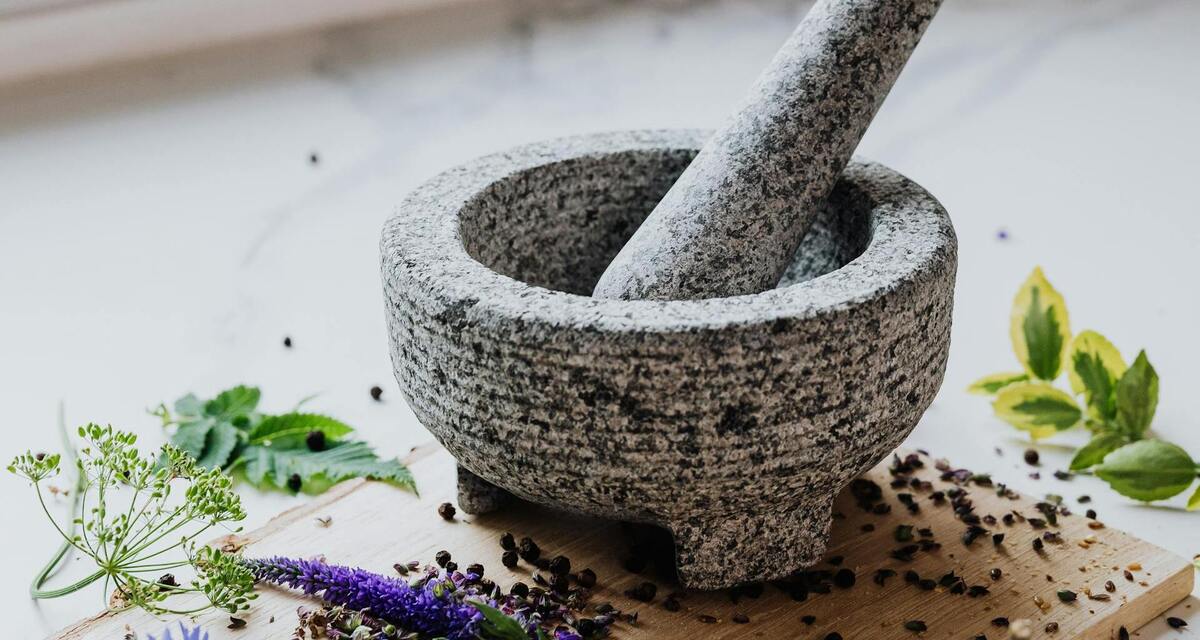
For thousands of years, the mortar and pestle has stood as one of the most enduring tools of human history. While many inventions have come and gone, this humble yet powerful device remains as essential today as it was in ancient times. From grinding herbs to preparing medicines, the mortar and pestle has been an indispensable companion to civilizations across the globe.
Enduring Genius of Mortar and Pestle Design
Why has this tool remained relevant for millennia? The answer lies in its fundamental simplicity and efficiency. The mortar, a sturdy bowl, and the pestle, a handheld grinding tool that work together through the sheer force of human effort. This direct approach to grinding and mixing offers precision, control, and durability that modern appliances often struggle to replicate.
Unlike mechanized grinders that rely on blades and high-speed rotation, the mortar and pestle preserve the integrity of ingredients, gently releasing flavors, aromas, and medicinal properties without overheating or damaging them. This is why professional chefs, herbalists, and pharmacists still reach for this ancient tool despite the advent of blenders and food processors.
Origins: From Ancient Stone to Modern Kitchens
Dates back over 35,000 years, making it one of the oldest human tools. Archaeologists have discovered early examples made of stone, used by prehistoric humans to crush grains, nuts, and seeds. These rudimentary tools laid the foundation for food preparation and medicine-making across civilizations.
In ancient Egypt, they were crucial for preparing medicinal concoctions, perfumes, and cooking ingredients. The Greeks and Romans further refined the design, crafting them from bronze, wood, and marble for a variety of uses, from medicine to cuisine. The Roman writer Pliny the Elder documented their importance in pharmacology, a field that still relies on them today.
During the Middle Ages, apothecaries and alchemists relied on the mortar and pestle to grind herbs, minerals, and chemicals. In traditional Asian medicine, from Ayurveda to Traditional Chinese Medicine (TCM), these tools played a central role in preparing potent remedies. Even indigenous cultures across Africa and the Americas developed their own variations, using wood and clay to grind grains and spices.
The Renaissance era saw the mortar and pestle become a mainstay in European apothecaries, further elevating its role in medicinal and culinary arts. By the Industrial Revolution, while mechanical grinders and blenders began emerging, the mortar and pestle remained indispensable for tasks requiring human precision and control.
Timeless Models That Have Stood the Test of Time
While many variations exist, some designs have remained virtually unchanged:
- The Classic Granite Mortar and Pestle: Popular in Thai and Indian kitchens, this design is favored for its heavy-duty grinding power, making it ideal for crushing spices and pastes.
- The Molcajete: This Mexican version, made from volcanic rock, has been used for centuries to grind ingredients for salsa, guacamole, and moles.
- The Apothecary Mortar and Pestle: Traditionally made of porcelain or brass, this refined design is still used in pharmacies to crush and mix medicines.
- The Japanese Suribachi and Surikogi: A ribbed ceramic mortar with a wooden pestle, used in Japanese cooking for preparing sesame pastes and other delicate mixtures.
Signature Designs of Today
- Le Creuset Stoneware Mortar and Pestle: A modern take on the classic design, offering durability and a vibrant aesthetic.
- Cole & Mason Granite Mortar and Pestle: A contemporary, heavyweight granite model designed for both professional chefs and home cooks.
- Typhoon World Foods Mortar and Pestle: A fusion of modern design and traditional function, catering to international cuisines.
- CrushGrind Copenhagen Mortar and Pestle: A elegant, Scandinavian-inspired minimalist model with exceptional durability and functionality.


Why the Mortar and Pestle Will Never Go Out of Style
Despite the rise of modern technology, it remains irreplaceable for several reasons:
- Unmatched Control Over Texture – Unlike electric grinders, which often pulverize ingredients too finely or unevenly, the mortar and pestle allows the user to control the coarseness of the grind.
- Preservation of Aroma and Flavor – The gentle crushing action preserves essential oils and aromas, making dishes richer and more flavorful.
- No Need for Electricity – This tool works anywhere, anytime, making it perfect for outdoor cooking, survival situations, and regions with limited access to power.
- Sustainability and Longevity – With no moving parts or electronics, a well-made mortar and pestle can last a lifetime or even generations, reducing waste and the need for replacements.
- Cultural and Culinary Significance – From pesto in Italy to curry pastes in Thailand, many traditional dishes simply taste better when made with this ancient tool.
Looking to the Future: The Mortar and Pestle in a Modern World
In an age of automation and convenience, the mortar and pestle might seem old-fashioned, but its timeless design functionality ensures its continued relevance. As society becomes more conscious of sustainability and the quality of food preparation, we may see a resurgence in its use. Chefs, herbalists, and even modern wellness enthusiasts recognize its benefits over mass-produced, machine-ground ingredients.
Furthermore, with the growing interest in artisanal cooking and traditional medicine, it will continue to be a symbol of authenticity, craftsmanship, and natural preparation. As long as humans need to grind, mix, and extract flavors, this ancient tool will remain an essential part of our kitchens and apothecaries.
Final Thoughts
The mortar and pestle is more than just a tool, it’s a symbol of human ingenuity, tradition, and resilience. From prehistoric caves to Michelin-starred kitchens, it has played a silent but critical role in shaping how we cook, heal, and create. Its design, efficiency, and tactile experience ensure that it will never fade into obscurity.