
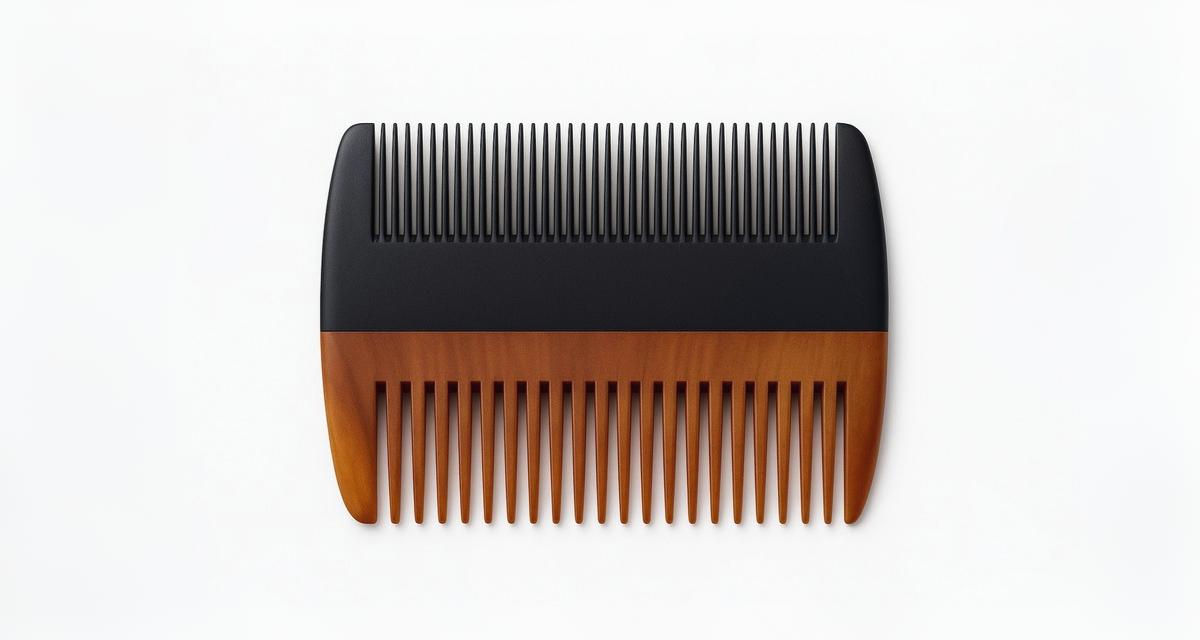
The Dual sided comb from the tombs of ancient civilizations to the vanities of modern apartments, this simple yet profoundly functional item has endured for thousands of years, adapting to trends while never losing its core utility. What makes the dual sided comb more than just a grooming tool is its brilliant combination of form and function, its deeply human-centric design, and its uncanny ability to remain relevant across eras and cultures.
What Is a Dual Sided Comb?
At its core, a dual sided comb is a grooming tool with two distinct sets of teeth on either side. Typically, one side features fine teeth, ideal for precision styling and smoothing, while the other side holds wider teeth, perfect for detangling or working through thicker hair. It is this dual functionality, seamlessly integrated into a single object, that sets it apart.
The genius lies in its simplicity. Without the need for moving parts, batteries, or instructions, the comb performs a dual purpose in one intuitive sweep. This is not just design for the sake of aesthetics, it is purpose-driven design at its finest.
The Origins: Thousands of Years of Utility
Archaeological digs across Egypt, Mesopotamia, and the Indus Valley have uncovered early versions of dual-sided combs dating as far back as 5000 BCE. Carved from bone, wood, or ivory, these ancient tools were often ornate, signifying not only grooming habits but also cultural rituals, status, and identity.
In ancient Egypt, combs were found buried in tombs, carefully placed beside the deceased, suggesting their role in daily life and spiritual preparation. Many of these combs had dual teeth structures, hinting at a surprisingly advanced understanding of hair care and tool efficiency.
As trade routes expanded and empires rose and fell, the design persisted. In ancient Rome and Greece, artisans began crafting combs from tortoiseshell and bronze, elevating them to objects of luxury while still retaining their dual-sided form. Even as materials evolved, the core design remained strikingly consistent.
Medieval to Modern: Evolution Without Excess
The dual sided comb moved quietly through the centuries. During the Middle Ages, it appeared in both monastic grooming kits and royal dressing rooms. In the Renaissance, it took on more decorative elements, sometimes even studded with jewels. Yet its purpose never wavered: practical hair care, with the added beauty of craftsmanship.
With the industrial revolution, the dual sided comb found its way into mass production. Celluloid, one of the first synthetic plastics, allowed for cheaper manufacturing while maintaining durability. This shift made combs widely accessible, turning them into a daily essential for men and women alike.
In the 20th century, brands like Kent, Mason Pearson, and Goody began producing dual sided combs in a variety of styles. Whether tucked into a soldier’s pocket during World War II or used backstage in 1960s Hollywood dressing rooms, the comb became a silent companion in moments both mundane and iconic.
Design Philosophy: Why the Dual Sided Comb Works
The dual sided comb is a masterclass in purposeful design. Let’s break down why:
1. Duality = Versatility
The combination of fine and wide teeth allows a single tool to meet multiple needs: styling, detangling, parting, grooming, even beard care. This duality reduces the need for separate tools, saving space and increasing convenience.
2. Intuitive Use
There is no learning curve. The design is so intuitive, anyone can pick it up and understand how to use it instantly. Whether you’re a child learning to comb your hair or a stylist perfecting a look, the comb adapts to your hand and your need.
3. Material Efficiency
Historically, the comb’s compact size allowed it to be made from available materials: bone, wood, horn, or plastic. Today, it can be manufactured sustainably using bamboo or recycled plastics making it both eco-conscious and efficient.
4. Form Follows Function
The dual sided comb is a literal embodiment of the “form follows function” principle. It doesn’t require ornamentation to explain its use. It is a visual explanation of itself.

Timeless Models That Prove the Design Works
Let’s look at a few iconic dual sided combs that have stood the test of time:
Kent A OT Handmade Comb
Handcrafted in the UK using cellulose acetate, this comb is polished by hand to ensure smoothness. Its wide and fine teeth sides make it universally loved by both barbers and customers. Despite being centuries old in concept, it feels completely modern.
Go-Comb Stainless Steel Dual Comb
This version reinvents the tool as a wallet-sized, durable, and even stylish accessory. Made of stainless steel and laser-cut for precision, it shows how the design evolves with lifestyle, while the essence remains unchanged.
Mason Pearson Rake and Tail Comb Combo
Famous for its styling quality, Mason Pearson’s take on the dual comb adds a touch of luxury, but never deviates from the purpose. It balances heritage craftsmanship with contemporary grooming demands.
These examples highlight that the design doesn’t age, it adapts.
How the Dual Sided Comb Remains Relevant Today
In an era obsessed with innovation, AI, and digital disruption, one might wonder how a tool this ancient keeps its place. The answer is refreshingly human.
Sustainability
In a world grappling with plastic waste and overconsumption, the dual sided comb offers a durable, zero-tech solution. A well-made comb can last for years, even decades, reducing the need for constant replacement.
Universal Design
This comb knows no gender, no age, no social class. It’s used by toddlers, teenagers, retirees, barbers, stylists, and CEOs alike. That universality ensures its continued demand across demographics.
Portability
Smartphones may evolve, but none can replace the quiet utility of a comb in your pocket or purse. Its portability, lack of maintenance, and reliability make it a tool for every day.
Minimalist Values
As more people embrace minimalist lifestyles, products that serve more than one function are prized. The dual sided comb doesn’t shout for attention it earns its place in your everyday carry by doing more with less.
Cultural Continuity
Combs are often tied to rituals, identities, and self-care practices. From preparing for a first date to getting ready for an interview, the act of combing hair is quietly ceremonial. That won’t change even if everything else does.
The Future: Why It Will Always Matter
Designs that endure are those that connect deeply to daily human needs. The dual sided comb’s strength lies not in being flashy or complex, but in its subtle brilliance. It is as useful in a New York penthouse as it is in a rural village.
As we move toward smart cities, space travel, and even virtual realities, basic human grooming will never disappear. And with it, neither will the need for the dual sided comb.
We may 3D-print combs from biodegradable corn resin. We may integrate them into multi-tools or beauty-tech gadgets. But the fundamental structure, fine teeth on one side, wide on the other, will never lose its relevance.
Because great design does not date. It adapts. It endures.
The Comb That Combs Through Time
The dual sided comb is not just an object. It is a quiet reflection of human ingenuity, our desire for simplicity, and our appreciation of tools that make life better without demanding attention.
It is a legacy of design thinking, passed hand to hand through cultures, epochs, and generations. While some tools dazzle briefly before fading, the dual sided comb remains reliable, practical, and still deeply personal.
In a world that changes faster every year, the continued relevance of this humble object is not just surprising. It’s inspiring.
So the next time you reach for your comb, pause for a moment. You’re not just grooming your hair. You’re participating in a global, historical, and profoundly human story.