
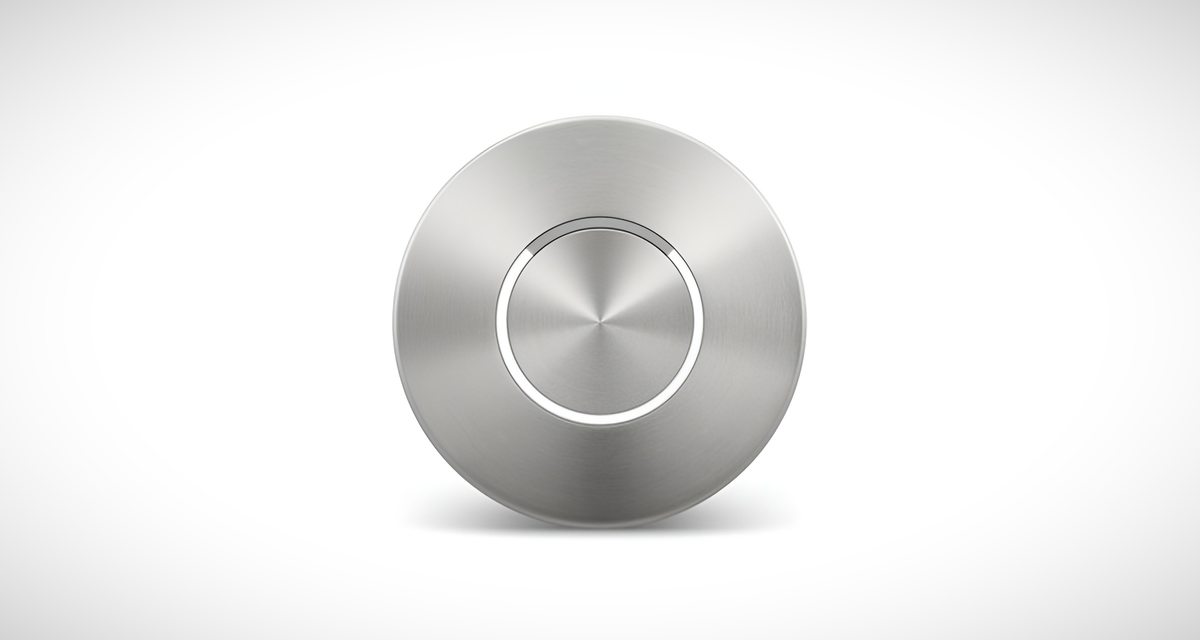
The smart home revolution has quietly transformed many of the objects people interact with every day. Lights respond to voice commands, thermostats learn daily routines, and speakers answer questions instantly. Yet one of the most meaningful transformations has taken place at the entrance of the home. The Nuki Smart Lock represents a fascinating intersection between centuries old lock engineering and modern Internet of Things (IoT) technology.
Rather than simply automating a door, this product reimagines how people interact with security, access, and personal space. From a design perspective, the most interesting aspect of the Nuki Smart Lock is the way it respects history while introducing innovation. Instead of replacing the traditional lock system, the device enhances it with a connected digital layer. Because of this approach, the experience feels both modern and familiar at the same time.
To fully appreciate why the Nuki Smart Lock design stands out in the world of connected devices, it helps to explore the long story behind door locks themselves. The origins of this everyday object stretch back thousands of years and reveal how deeply security tools are embedded in human culture.
Long Design Evolution Before The Nuki Smart Lock
Human societies have always searched for ways to protect valuables and private spaces. The earliest locks appeared in ancient Egypt around 2000 BCE, where archaeologists discovered large wooden locking systems based on the pin tumbler principle. Those mechanisms relied on wooden keys with protruding pegs that lifted internal pins and released a bolt. Although the materials were simple, the concept introduced the fundamental logic that still defines modern lock design.
Over time, the idea traveled across civilizations. Roman engineers refined lock construction by introducing metal components and smaller mechanisms that could fit directly into doors. Within Roman households, keys often became personal objects carried on rings or necklaces. Because of that cultural shift, the lock began representing more than physical protection. Gradually it evolved into a symbol of trust, ownership, and control over private space.
Industrial Revolution and the Birth of the Modern Lock
Centuries later, advances in manufacturing brought a new level of precision to mechanical engineering. During the nineteenth century, inventors experimented with lock systems that could be mass produced without sacrificing security. One of the most influential figures in this transformation was Linus Yale Jr., whose work on the modern cylinder lock in the 1860s reshaped residential security.
Yale’s design used compact metal keys and internal pins arranged inside a cylindrical housing. Reliability, ease of production, and affordability allowed the mechanism to spread rapidly across Europe and North America. Variations of this design eventually became the global standard for residential doors.
For more than a century afterward, most locks followed the same basic interaction pattern. People inserted a key, turned the cylinder, and opened the door. Despite improvements in materials and manufacturing techniques, the user experience remained remarkably consistent. This simple ritual became a small but meaningful part of daily life, shaping how designers later approached the transition toward digital locks.
The Smart Home Era Begins
At the beginning of the twenty first century, digital connectivity began transforming the physical world. Wireless networks, smartphones, and cloud services enabled everyday objects to communicate with one another. This shift introduced the concept of the Internet of Things, where household devices operate as part of an interconnected ecosystem.
As smart home technology evolved, companies started exploring ways to modernize traditional hardware. Door locks quickly became a focus because they combine security, identity, and convenience in a single object. Early attempts at smart locks often required replacing the entire locking mechanism. Although these systems introduced useful features, they also created challenges.
Installation could become complicated, compatibility with older buildings was limited, and homeowners sometimes worried about losing manual access if electronics failed. Situations like these revealed an important design lesson. Technology succeeds when it integrates smoothly with existing systems rather than forcing people to abandon them.
The Birth of the Nuki Smart Lock
The founders of Nuki Home Solutions recognized these challenges and proposed a refreshingly simple idea. Instead of replacing the traditional lock, a smart device could be installed on the interior side of the door and rotate the existing key electronically. Such a solution preserved the mechanical reliability of the original lock while adding digital intelligence on top.
Public interest first appeared during a crowdfunding campaign on Kickstarter in 2015. Early adopters quickly understood the elegance of the approach. Installation required only a few minutes, no drilling was necessary, and the original lock remained untouched.
Three principles shaped the product from the beginning: compatibility, simplicity, and security. Ensuring that the device worked with existing cylinder locks removed a major barrier to adoption. An emphasis on easy installation made the technology accessible to a wide audience. Meanwhile, secure encrypted communication protected digital access credentials.
Thanks to these decisions, the Nuki Smart Lock rapidly became one of the most recognized smart lock systems in Europe.
Design Philosophy Behind the Nuki Smart Lock
Opening a door seems like a trivial action, yet it reflects centuries of behavioral habits. People tend to feel comfortable when familiar rituals remain intact. Many smart lock designs attempted to eliminate physical keys entirely, presenting a fully digital future. Although innovative, that approach often made users uneasy because it removed the reassurance of manual control.
The Nuki Smart Lock follows a more thoughtful route. A traditional key stays inserted inside the cylinder, while the smart device rotates it automatically when triggered by an app or proximity detection. From the outside, the door still appears completely ordinary. Such a decision preserves architectural continuity and ensures that a physical backup method always exists.
Because the traditional mechanism remains intact, the product feels like a natural extension of an established system. Subtle integration of this kind plays a crucial role in the device’s long term appeal.
Industrial Design That Communicates Function
Physical form also reflects careful attention to industrial design principles. A circular housing visually suggests rotation, which mirrors the movement of a traditional key and helps users intuitively understand the device’s purpose.
At the center of the lock sits a rotating ring that doubles as a manual control interface. Turning this ring engages the internal motor and rotates the key inside the cylinder. Clear tactile feedback reinforces the connection between digital automation and mechanical motion.
Designers often describe this clarity as affordance, a concept where the shape of an object communicates how it should be used. Because the Nuki Smart Lock follows this principle, even first time users quickly understand the interaction without needing instructions.
The Role of IoT in the Nuki Ecosystem
Connectivity unlocks the full potential of the Nuki Smart Lock. When paired with the Nuki Bridge, the device allows homeowners to control their door remotely through a smartphone application. This capability transforms the lock from a simple mechanical device into a dynamic access management platform.
Through the mobile interface, users can unlock doors remotely, create digital keys for guests, and monitor entry activity. Temporary permissions may be granted to visitors, service providers, or family members. Once the designated time period ends, the digital key automatically expires.
Compatibility with popular smart home ecosystems such as Apple Home, Google Home, and Amazon Alexa further expands the possibilities. A homeowner arriving home might trigger automated routines where the door unlocks, lights activate, and heating adjusts automatically. Experiences like these illustrate how IoT technology transforms a simple door into part of an intelligent living environment.
Security as a Core Design Principle
Security remains the central concern for any door lock, especially when digital connectivity enters the equation. Multiple layers of protection address this challenge by combining physical design with encrypted communication.
Placement of the device on the inside of the door prevents direct tampering from outside. Communication between the lock and connected devices relies on secure encryption protocols similar to those used in online banking systems. In addition, digital key management allows homeowners to control access permissions with precision.
If access needs to be revoked, the digital key can be removed instantly through the app. Traditional keys rarely offer that level of flexibility, since losing one often requires replacing the entire lock. By combining mechanical reliability with digital adaptability, the Nuki Smart Lock becomes a modern security platform rather than a static device.
Why the Nuki Smart Lock Represents Timeless Design
Certain products remain relevant across decades because they solve problems with clarity and adaptability. The Nuki Smart Lock possesses several characteristics that support this type of timeless design.
Integration With Existing Architecture
Millions of homes rely on traditional cylinder locks. Compatibility with these systems allows the Nuki solution to integrate naturally into both modern apartments and historic buildings.
Minimal Visual Impact
Placement on the interior side of the door keeps the exterior appearance unchanged. Such a subtle approach allows the product to coexist with a wide range of architectural styles.
Continuous Software Evolution
Mechanical locks remain static once manufactured. In contrast, the Nuki platform evolves through software updates. New features, integrations, and security improvements may appear years after installation, extending the lifespan of the product.
Clear and Intuitive Interaction
Operation through the rotating control ring keeps interaction simple and direct. Even without a smartphone, users can still operate the lock manually, ensuring accessibility for every household member.
Together these qualities allow the design to remain useful and understandable even as technology evolves.
Expansion of the Nuki Smart Access Ecosystem
Growth of the Nuki platform led to a broader product ecosystem designed for different access scenarios. Notable additions include Nuki Smart Lock 3.0, Nuki Keypad, Nuki Fob, and Nuki Door Sensor.
Each device contributes to a flexible authentication system that may include smartphones, PIN codes, or dedicated remote controls. Together these tools create a complete smart access ecosystem suited for modern homes. Consistent visual language across the product family reinforces the brand identity while ensuring that every component feels part of the same cohesive system.
The Cultural Shift Toward Keyless Living
For thousands of years, physical keys symbolized responsibility and trust. Modern lifestyles, however, increasingly require more flexible access systems. Short term rentals, shared workspaces, and remote services all depend on temporary entry permissions.
Digital access solves this challenge by allowing users to grant time limited digital keys. A guest might receive access for a weekend stay, while a cleaner could enter only during scheduled hours. Managing these scenarios with traditional keys would be complicated, yet connected locks make them simple.
Support for these modern habits helps the Nuki Smart Lock bridge the gap between traditional security and contemporary living patterns.
Final Thoughts: A Quiet Revolution at the Front Door
History of the lock stretches from wooden mechanisms in ancient Egypt to precision metal cylinders found in modern homes. Each era contributed improvements that shaped how people protect their spaces. The Nuki Smart Lock represents the next chapter in that long technological journey.
By combining mechanical heritage with IoT connectivity, the device transforms a familiar household object into a flexible platform for modern access management. Its success stems from a philosophy that values continuity rather than disruption. Instead of discarding traditional locks, the design builds upon them with digital intelligence.
Because of this thoughtful balance between technology and tradition, the Nuki Smart Lock demonstrates how innovation can evolve naturally from history. As connected homes continue to develop in the coming decades, that balance will help ensure the design remains both relevant and influential.