
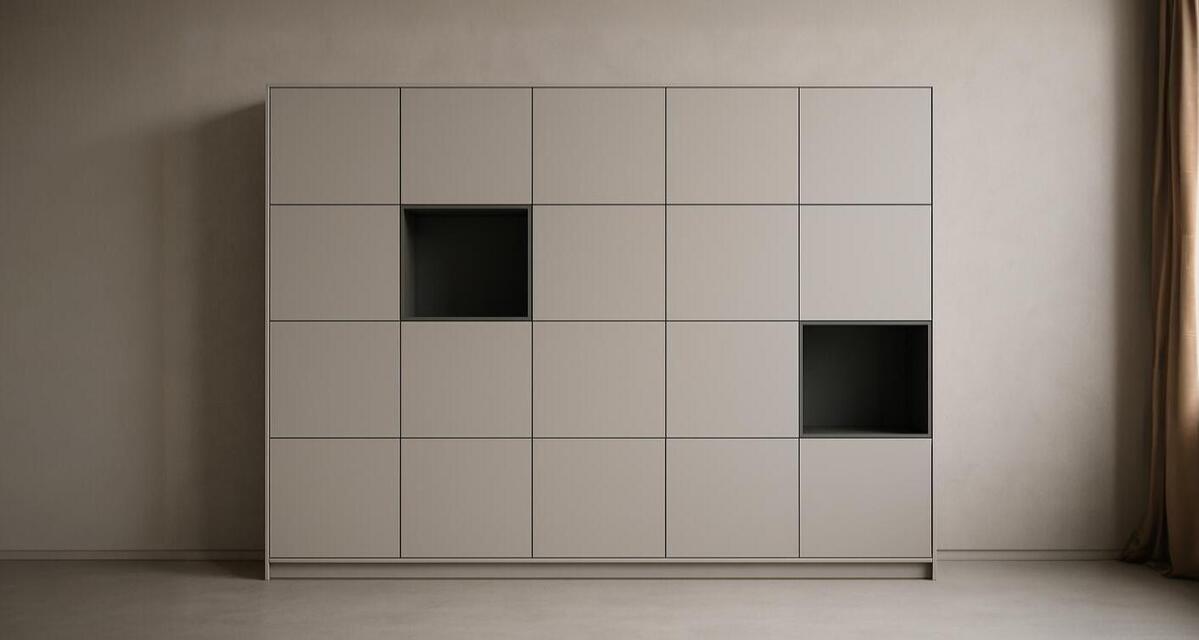
When it comes to interior design solutions that have remained relevant for decades, few concepts rival the Storage Wall. This innovative design approach, born in the mid-20th century, revolutionized how we organize and utilize space. With its functional elegance, adaptability, and seamless integration into various interiors, the Storage Wall continues to be a staple in modern homes. But what makes it truly time-proof?
Let’s explore its origins, evolution, and why this concept will remain essential for years to come.
Origins of the Storage Wall
The concept of integrating storage into architectural elements is far older than the 20th century. Throughout history, various civilizations have embraced built-in storage solutions to optimize space and improve functionality.
Ancient and Historical Influences
- Ancient Egypt (c. 3000 BCE – 30 BCE): Egyptians utilized wall recesses and built-in niches in their homes and tombs to store valuables, decorative items, and religious artifacts. These storage features were often seamlessly integrated into architectural designs, a principle that continues in modern built-in storage solutions.
- Classical Greece and Rome (c. 800 BCE – 476 CE): The Greeks and Romans refined built-in storage with stone and wooden wall recesses in homes, temples, and public buildings. Roman villas frequently featured alcove storage, wall-integrated shelves, and concealed compartments.
- Medieval Europe (5th – 15th century): Castles and monasteries often incorporated built-in wooden cabinets and storage walls, particularly in kitchens, libraries, and great halls. These elements allowed for efficient use of limited space while maintaining a cohesive aesthetic.
- Japanese Traditional Architecture (12th century – present): The Japanese tansu and fusuma (sliding wall panels) revolutionized space-saving design. The tokonoma, a built-in decorative alcove, also highlights a long history of incorporating storage into architecture. This approach directly parallels the Storage Wall’s concept of combining function with aesthetics.
George Nelson and the Modern Storage Wall
The modern Storage Wall gained prominence in the 1940s, largely attributed to George Nelson, a visionary designer, architect, and writer. Nelson, working with Henry Wright, developed the idea under commission from LIFE magazine in 1944. The article, titled Storage Wall, introduced a radical rethinking of interior storage, presenting a built-in, floor-to-ceiling wall system designed to maximize efficiency in smaller post-war homes.
Nelson’s vision was deeply influenced by the modernist movement, which emphasized functionality and clean design. He studied how people lived and interacted with their spaces, realizing that traditional standalone furniture often wasted valuable real estate. His approach to the Storage Wall was not just about aesthetics but also about creating a flexible and modular system that could evolve with homeowners’ needs.
Historical Influences and Development
Before Nelson’s breakthrough, storage was typically fragmented—separate bookcases, wardrobes, and shelving units cluttered rooms. His work built upon early modernist ideas, particularly the Bauhaus movement, which had already advocated for modular, multi-purpose furniture.
Additionally, Frank Lloyd Wright’s Usonian homes, which focused on efficiency and built-in furnishings, inspired Nelson’s thinking. Wright often incorporated continuous storage elements into his designs, paving the way for Nelson to take this further by making storage an integral part of the home’s architecture rather than an afterthought.
The success of the Storage Wall concept led to its commercial adoption, influencing mid-century modern design and being incorporated into homes, offices, and even retail environments. Furniture companies, including Herman Miller, where Nelson served as design director, soon embraced modular shelving and wall systems, further solidifying the Storage Wall as a permanent design evolution.
Evolution and Adaptability
Throughout the mid-century modern movement, the Storage Wall became a defining element of well-designed homes. Designers like Charles and Ray Eames, Florence Knoll, and even Scandinavian innovators embraced the concept, refining it with various materials, finishes, and configurations.
Over time, advancements in materials and technology have allowed for even more flexible and personalized solutions. Today’s Storage Walls integrate:
- Smart home technology (hidden charging stations, smart lighting, concealed entertainment systems)
- Sustainable materials (bamboo, reclaimed wood, and eco-friendly finishes)
- Customizable modules for modern lifestyles (workspace integration, hidden Murphy beds, modular shelving)
- Multi-room functionality, adapting to kitchens, bedrooms, and home offices
- Open shelving with concealed storage, balancing display and organization needs
- Floating wall systems that create a seamless, built-in aesthetic
Timeless Appeal: Why the Storage Wall Will Never Go Out of Style
The Storage Wall endures because it aligns with fundamental principles of great design:
- Functionality meets aesthetics – It offers essential storage without compromising on beauty.
- Adaptability – It evolves with personal needs and trends, making it a long-term investment.
- Efficient use of space – Ideal for small apartments, open-plan homes, and minimalist interiors.
- Customization – It can be tailored to fit any interior style, from classic to contemporary.
George Nelson Storage Wall Gallery:


Iconic and Timeless Storage Wall Models
Several designs stand out as timeless examples of this approach:
- George Nelson’s Comprehensive Storage System – A modular, elegant, and endlessly adaptable design that set the standard for modern storage solutions.
- USM Haller Shelving System – Originally designed in 1963, this Swiss-made modular system is still widely used in contemporary interiors.
- IKEA’s BESTÅ and BILLY systems – Affordable and highly flexible, these designs bring the Storage Wall concept to the masses while maintaining style and function.
- Vitsoe 606 Universal Shelving System – Designed by Dieter Rams, this system embodies minimalist elegance and modularity.
- Piero Lissoni’s Porro Modern Shelving – A fusion of Italian craftsmanship and contemporary modular storage.
The Future of the Storage Wall
As homes become smaller and multifunctional spaces gain importance, the Storage Wall will continue to thrive. Future advancements may include:
- AI-driven storage solutions that optimize organization.
- Sustainable and modular components that can be easily upgraded over time.
- Integration with augmented reality for real-time customization of shelving and compartments.
- Hybrid furniture designs, incorporating foldable desks, beds, and seating into storage walls.
- Smart surfaces, such as interactive touch panels and voice-controlled elements.
Final Thoughts
The Storage Wall is a timeless, indispensable design solution that has evolved while maintaining its core purpose: enhancing functionality while harmonizing with aesthetics. Whether in mid-century modern homes, contemporary apartments, or future smart dwellings, the Storage Wall will always hold its place as a versatile, intelligent, and stylish storage solution.
For those looking to invest in a space-efficient and future-proof design, the Storage Wall remains an unbeatable choice. Whether through custom-built systems or modular designs, this concept proves that great design never goes out of style.