

The mirror, a simple yet profound object, holds a special place in human history and design. Its enduring relevance and omnipresence in daily life make it a perfect example of a timeless invention. From ancient civilizations to modern technology, the mirror’s design, rooted in nature’s reflections, continues to be a testament to human ingenuity and adaptability. Therefore, this article will explore the mirror’s historical significance, its technical applications, and why it remains timeless and relevant today and into the future.
The Concept of the Mirror Design
At its core, a mirror is a surface that reflects light to produce an image of whatever is in front of it. This concept is inspired by nature; early humans likely observed their reflections in calm water surfaces. Consequently, these natural reflections provided the blueprint for creating artificial reflective surfaces, marking a key milestone in human technological advancement. Thus, the mirror embodies simplicity and functionality, a design principle that ensures its timelessness.
A Brief History of Mirrors
The history of mirrors dates back to ancient times and unfolds through several distinct phases:
- Early Reflections: The first mirrors were polished stones, such as obsidian, used by ancient civilizations like the Aztecs. These rudimentary mirrors set the foundation for future advancements.
- Metal Mirrors: Around 2000 BCE, polished bronze and copper mirrors appeared in Mesopotamia and Egypt. These were more durable and practical than stone mirrors.
- Glass Mirrors: In the first century CE, the Romans developed glass mirrors backed with lead. This significant innovation paved the way for the mirrors we know today.
- Renaissance Refinement: Venetian artisans in the 15th century perfected the art of glass mirror-making, creating high-quality mirrors that were both functional and decorative.
As a result, these historical developments highlight the mirror’s evolution, demonstrating humanity’s persistent quest to refine and perfect this essential object over time.
Technical Applications of Mirrors
Mirrors are not just everyday objects; they also play a critical role in various technical and scientific applications. For example:
- Optics: Mirrors are integral to telescopes, microscopes, and cameras, where they direct and focus light with precision.
- Architecture: In interior design, mirrors enhance lighting and create an illusion of space, making environments more dynamic.
- Medicine: Surgical instruments and diagnostic tools like endoscopes utilize mirrors to provide accurate visual guidance.
- Solar Energy: Concentrated solar power systems employ mirrors to focus sunlight onto a central receiver, thus optimizing energy collection.
- Astronomy: Advanced mirrors are essential for space telescopes like the Hubble, which capture distant celestial images.
Clearly, these applications underscore the versatility and indispensability of mirrors in modern life and cutting-edge technology.
The Mirror in Daily Life
Mirrors are ubiquitous and seamlessly integrated into our routines. For instance:
- Personal Use: They are found in bathrooms, dressing rooms, and vehicles, where they serve practical purposes such as grooming and ensuring safety.
- Retail and Hospitality: Mirrors enhance shopping and dining experiences by adding elegance and functionality.
- Transportation: Rearview and side mirrors are essential for driving safety, making vehicles more navigable.
- Technology: Smartphones, laptops, and smart mirrors incorporate reflective surfaces to improve usability and functionality.
- Ambient Lighting: In regions with limited natural sunlight, mirrors are strategically placed to amplify ambient light, thereby enhancing the brightness and livability of spaces. This is especially significant in northern climates, where long winters and limited daylight necessitate innovative lighting solutions.
In summary, this omnipresence highlights the mirror’s adaptability and its relevance across diverse contexts.
Classical Mirror Design
Throughout history, mirrors have transcended their utilitarian purpose to become objects of art and luxury. Examples include:
- Venetian Mirrors: Originating from the island of Murano, these mirrors are celebrated for their intricate craftsmanship and ornate designs, often featuring etched patterns and decorative frames.
- Art Deco Mirrors: Popular in the early 20th century, these mirrors are distinguished by their geometric shapes and bold, elegant designs, as exemplified by brands like Lalique and Christofle.
- Baroque Mirrors: Characterized by elaborate and gilded frames, Baroque mirrors reflect the opulence of 17th-century European design, often crafted by master artisans.
- Modern Icons: Contemporary brands like Kartell and Alessi have redefined mirror design, blending functionality with aesthetics. Kartell’s “Only Me” series and Alessi’s minimalist designs illustrate how modern mirrors can be both artistic and practical.
- Luxury Brands: Companies like Baccarat and Swarovski have introduced mirrors adorned with crystals, merging reflective surfaces with dazzling embellishments to create a luxurious appeal.
Consequently, these examples demonstrate the mirror’s transformation into a design statement, skillfully blending utility with artistic expression.
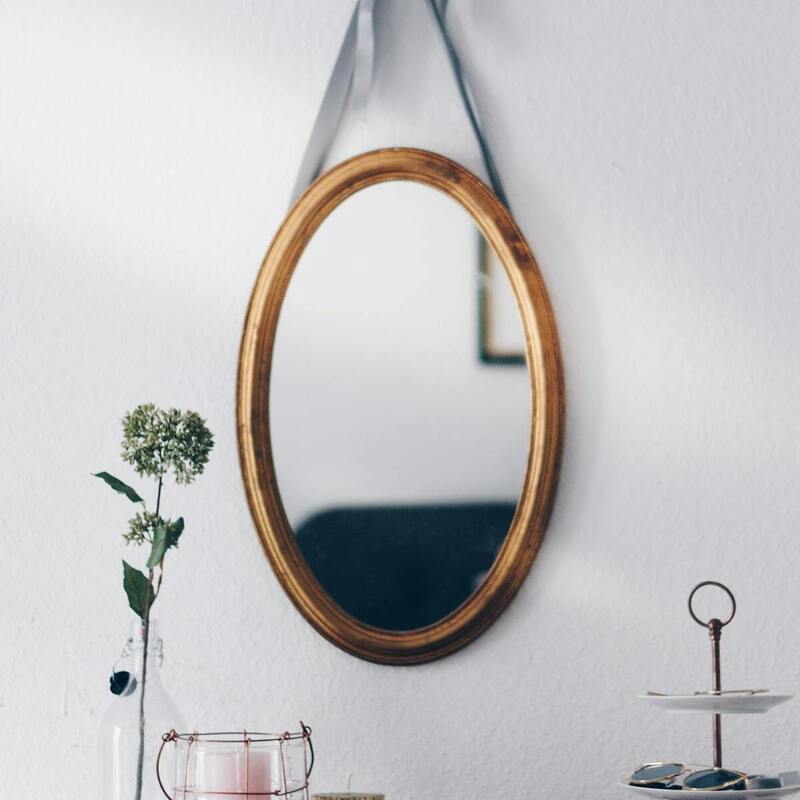
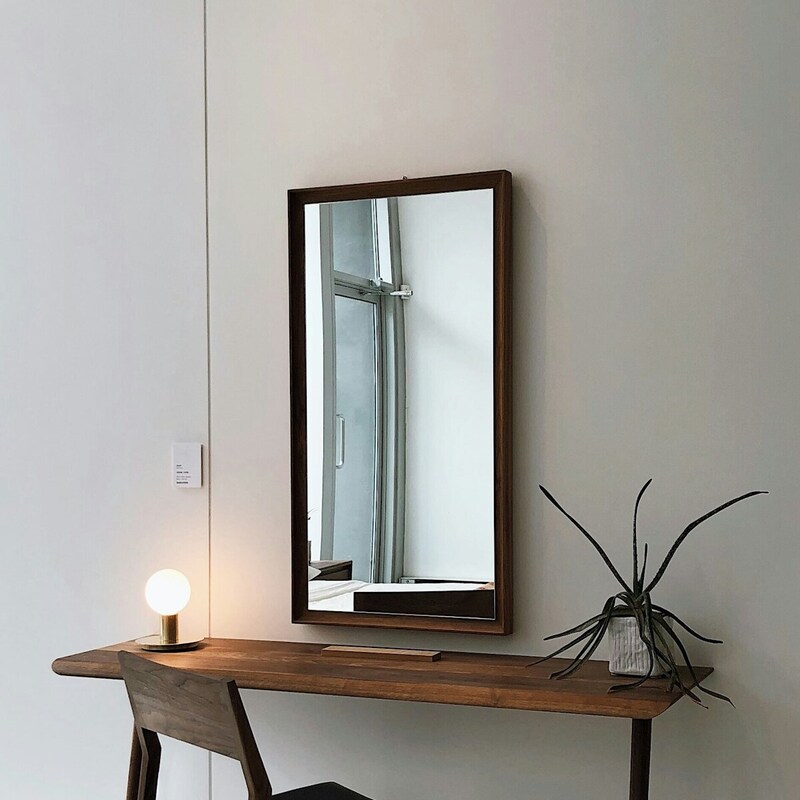
Mirrors gallery:

Nature’s Influence and Human Innovation
The mirror’s design exemplifies biomimicry, drawing inspiration from nature to solve human challenges. Early humans imitated water’s reflective properties, which led to the development of artificial mirrors. This combination of observation and innovation underscores humanity’s ability to harness natural phenomena for practical purposes.
Why the Mirror Design is Timeless
Several factors contribute to the mirror’s enduring appeal:
- Simplicity: Its straightforward design effectively serves its purpose without unnecessary complexity.
- Functionality: Mirrors fulfill fundamental human needs, ranging from self-awareness to enhancing environments.
- Aesthetic Value: Beyond their utility, mirrors add beauty and depth to spaces, complementing evolving design trends.
- Innovation: Advances in material science and technology continually improve mirror quality and expand their applications.
Therefore, these qualities ensure that mirrors remain indispensable and adaptable to changing times.
The Future of Mirrors
As technology progresses, mirrors will continue to evolve in exciting ways:
- Smart Mirrors: Interactive mirrors with touchscreens and AI integration promise personalized experiences.
- Space Exploration: Mirrors with enhanced precision will support next-generation telescopes and space missions.
- Energy Solutions: Advanced reflective surfaces will further optimize solar energy collection, aiding in sustainable energy efforts.
Thus, these innovations guarantee that mirrors will stay at the forefront of design and technology.
Reflecting on the Mirror Enduring Legacy
The mirror is more than a reflective surface; it is a timeless design rooted in nature, enriched by history, and propelled by innovation. Its versatility and relevance in daily life and advanced applications underscore its enduring significance. As humanity continues to innovate, the mirror will undoubtedly remain a cornerstone of both functional design and human creativity.