
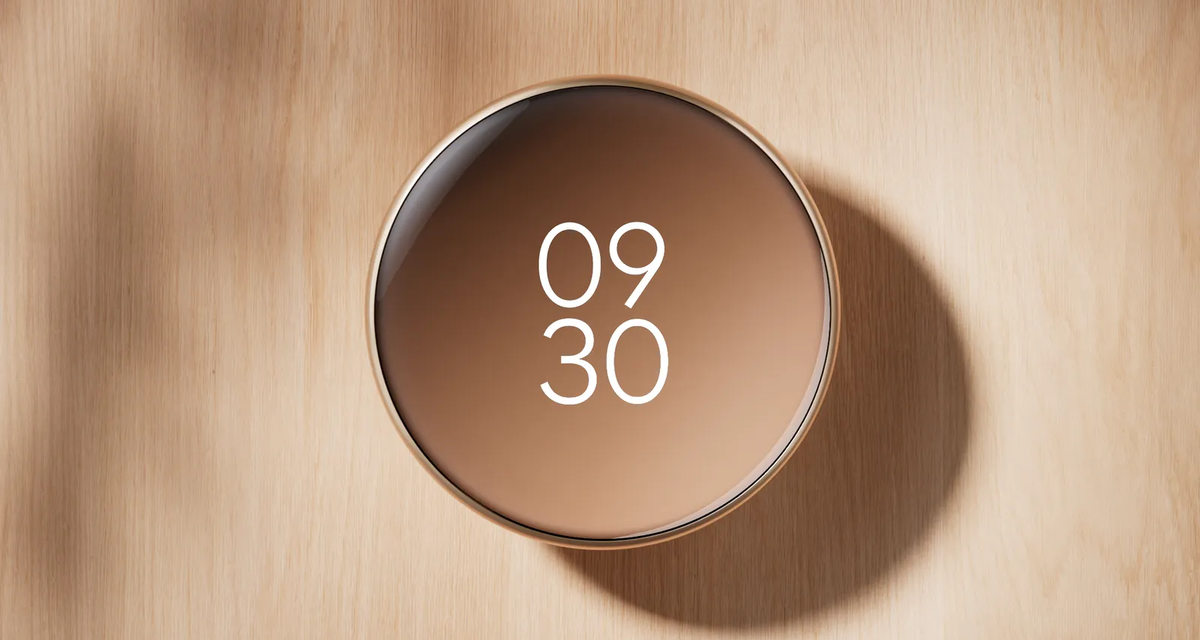
The Nest Learning Thermostat is more than just a home appliance; it’s a design icon that epitomizes simplicity, functionality, and innovation. Since the launch in 2011, the Nest Thermostats have become a benchmark in smart home technology and industrial design.
This article explores the origins, design principles, and enduring relevance of the Nest Learning Thermostat, showing why it remains a timeless piece of technology.
The Origins of the Nest Learning Thermostat
The Nest Thermostat was introduced by Nest Labs in 2011, co-founded by Tony Fadell and Matt Rogers. Fadell, a former Apple executive known as the “father of the iPod,” brought his expertise in creating intuitive, user-friendly products. At the time, thermostats were functional but uninspired devices. Nest Labs aimed to reinvent them by combining cutting-edge technology with a refined, modern aesthetic.
Nest’s approach was groundbreaking: they integrated artificial intelligence with design, enabling the thermostat to learn user behavior and adjust temperature settings automatically. This learning capability, paired with energy-saving features, not only provided convenience but also aligned with the growing demand for sustainable living solutions.
Design Principles: Simplicity Meets Sophistication
The Nest Learning Thermostat embodies several core design principles that contribute to its timeless appeal:
1. Minimalism and Clarity
The thermostat’s clean, circular design immediately sets it apart. Inspired by the iconic rotary dial, it combines familiarity with innovation. A polished stainless steel ring encases a vibrant, high-resolution display, creating an elegant yet approachable interface.
2. Intuitive User Experience
Nest’s dial-based interaction simplifies temperature adjustments. Turning the dial feels tactile and natural, echoing the simplicity of analog devices. The interface’s design is equally intuitive, showing only essential information such as the current temperature and energy savings.
3. Smart Functionality
The thermostat learns your preferences over time, adapting to your routine. This eliminates the need for constant manual adjustments, making it a practical and seamless addition to any home.
4. Sustainability and Energy Savings
The Nest’s eco-friendly features include energy-saving recommendations and a “Leaf” icon that encourages efficient settings. These design choices align with a long-term vision for sustainability, enhancing its relevance in a world increasingly focused on environmental conservation.
Historical Evolution of the Nest Thermostat
Since its launch, the Nest Thermostat has undergone several iterations, each refining its features while maintaining its core design philosophy:
1st Generation (2011)
The debut model introduced the circular design, smart learning features, and Wi-Fi connectivity. It was a game-changer, winning numerous design and technology awards.
2nd and 3rd Generations (2012-2015)
Subsequent models improved compatibility, added larger displays, and enhanced sensors for more accurate readings. These updates preserved the original aesthetic while advancing functionality.
Nest Thermostat E (2017)
A more affordable variant with a frosted display and polycarbonate body, the Thermostat E broadened accessibility without sacrificing essential features.
Nest Learning Thermostat (2020)
The latest model introduced even better energy tracking, voice control integration, and compatibility with the Google Home ecosystem, solidifying its place as a leader in smart home technology.
Why the Nest Learning Thermostat Is a Time-Proof Design
The Nest Learning Thermostat’s timelessness lies in its combination of form, function, and foresight. Here’s why it will continue to be relevant:
1. Enduring Aesthetic
The circular design is both modern and classic. Like other iconic designs, think the Eames Lounge Chair or the iPod, it balances simplicity with sophistication, ensuring it doesn’t age with changing trends.
2. Technological Adaptability
The thermostat’s ability to integrate with evolving smart home ecosystems ensures its relevance. Its updates have embraced new technologies like voice assistants (Google Assistant, Alexa) while retaining backward compatibility.
3. Focus on Sustainability
As global energy efficiency becomes more critical, the Nest Learning Thermostat’s eco-friendly design and features will continue to resonate with consumers.
4. Seamless Functionality
A product that “just works” will always be valued. The Nest’s ability to learn, adapt, and simplify daily routines makes it indispensable for users seeking convenience and efficiency.
Examples of other Timeless Models
- Nest Learning Thermostat (3rd Gen): With its high-resolution display and advanced sensors, this model perfectly blends aesthetics with functionality.
- Nest Thermostat E: Its minimalist design and affordable price make it a go-to for budget-conscious users without sacrificing quality.
Future Relevance of the Nest Learning Thermostat
As smart home technology advances, the Nest Learning Thermostat’s commitment to adaptability ensures it will remain relevant. Its focus on user-centric design and environmental sustainability aligns with future trends, making it a cornerstone of modern living.
The thermostat’s ability to evolve with updates, both software and hardware, ensures it will continue to serve users effectively while retaining its iconic design.
Design classic for generations to come
The Nest Learning Thermostat is a masterclass in timeless design. By seamlessly combining aesthetic appeal, intuitive functionality, and cutting-edge technology, it has set a standard for smart home devices. As it continues to evolve, its relevance and utility are assured, cementing its status as a design classic for generations to come.