
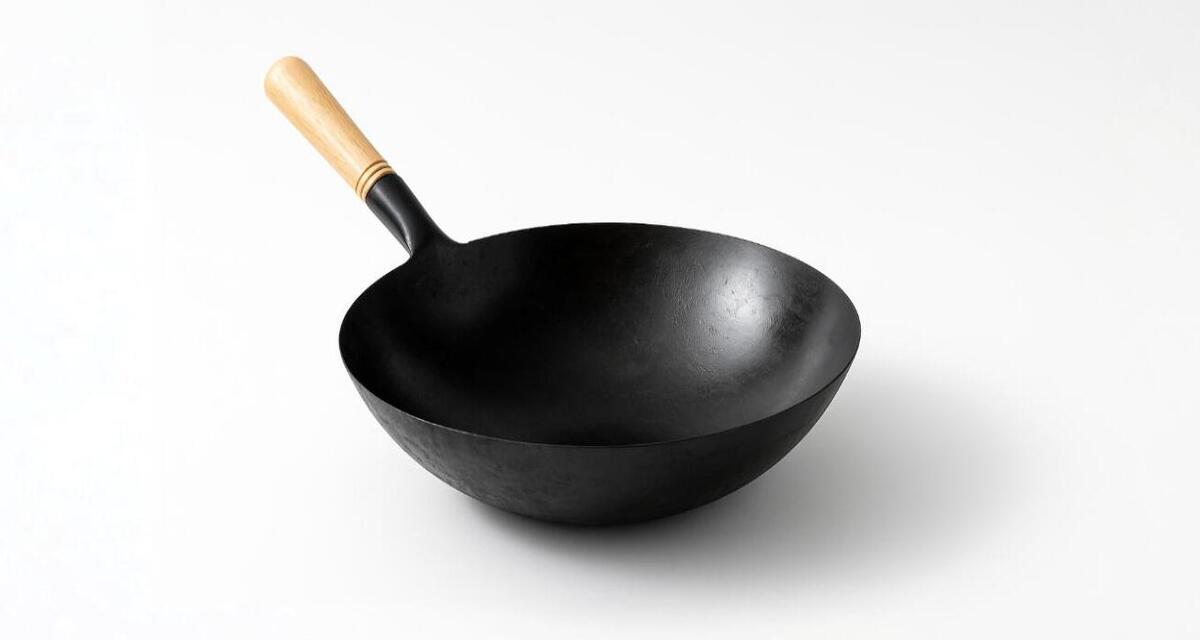
The Wok cooking pan is a living artifact, a design masterstroke, and a cultural bridge that spans centuries of history. From the beginnings in ancient China to its rightful place in modern gourmet kitchens around the globe, the Wok stands tall as one of the most enduring designs in the world of cookware.
This is not simply a story about a pan. This is about a design philosophy, a way of thinking that has remained virtually unchanged for thousands of years, because it works. The Wok isn’t just functional; it’s brilliantly conceptualized, beautifully simple, and endlessly adaptable. Let’s take a journey through its origins, its evolution, and its eternal relevance in the future of cooking and design.
The Ancient Spark: Origins of the Wok Cooking Pan
The Wok cooking pan dates back over 2,000 years to the Han Dynasty in China. Its name comes from the Cantonese word “wok,” which simply means “cooking pot.” Early versions were made of cast iron and used over open flame or charcoal stoves.
Why this shape? The early Chinese recognized that a rounded base would concentrate heat more efficiently, allowing food to cook rapidly with minimal fuel. In an era when resources were scarce and families large, this was ingenious. The sloped sides of the Wok also served another purpose: they allowed food to be pushed to the cooler upper edges to avoid overcooking while continuing to stir other ingredients in the hotter center.
Even at its birth, the Wok was designed with intention, not just utility.
Design that Thinks Ahead
The Wok’s bowl-like shape is not accidental. It allows for several cooking techniques in one single pan:
- Stir-frying
- Deep-frying
- Steaming
- Boiling
- Smoking
- Braising
- Searing
It is the original multi-tool of the kitchen. In an age obsessed with multifunctional devices and compact design, the Wok was doing it all millennia ago.
The handle designs evolved regionally. Northern China favored loop handles on both sides, while Southern China introduced the long stick handle for quick tossing. Each variation served cultural and culinary needs, adapting seamlessly to fuel sources, ingredients, and local taste.
This is not just design, this is adaptive intelligence embodied in steel.
Wok Through the Ages: The Journey of a Cultural Icon
The Wok cooking pan didn’t stay confined to Asia. It journeyed along the Silk Road, into Southeast Asia, and eventually to the West, where chefs from Paris to Los Angeles now swear by its versatility. From Thai street food vendors to Michelin-starred kitchens, the Wok is everywhere and rightly so.
The 20th century saw an explosion of interest in Asian cuisine, particularly in America and Europe. Alongside this cultural wave came the Wok, quietly revolutionizing how people cooked and thought about cookware. Suddenly, households began replacing sets of pots and pans with one beautifully capable piece.
Why the Wok Cooking Pan is a Time-Proof Design
1. Universality of Function
While other cookware is often specialized, the Wok is generalist excellence. It isn’t bound to one cooking style or culture. You can whip up a fiery Szechuan stir-fry, pan-sear a steak, steam dumplings, boil noodles, or deep-fry tempura, all in the same vessel.
This is what makes the Wok future-proof. As cuisines blend and culinary trends shift, the Wok remains ready for anything.
2. Efficiency That Makes Sense
In a world where energy efficiency and minimalism are growing values, the Wok delivers without compromise. Its design makes cooking faster and more fuel-efficient. With rising concerns around sustainability and conscious living, tools like the Wok become not only relevant but vital.
3. Elegant Simplicity
There’s a quiet power in a tool that just does its job, without requiring buttons, settings, or complex instructions. The Wok is like the wheel of cooking, so essential, so intuitive, and so brilliantly straightforward, it simply doesn’t need reinvention.
4. Built to Last
Traditional Woks are made from carbon steel, cast iron, or even hand-hammered steel. With proper care, they last a lifetime often improving with age as their patina develops. In an era where planned obsolescence plagues products of all kinds, the Wok is a shining example of longevity in craftsmanship.
Time-Tested Classics: Legendary Wok Models
Throughout history, several iconic Wok designs have emerged and stood the test of time:
Hand-Hammered Cantonese Wok (Double Loop Handles)
Crafted by master blacksmiths, this design has been used for centuries. Still made by artisans in places like Guangzhou and Hong Kong, these Woks are heirloom quality.
Mandarin Style Wok with Wooden Handle
Favored for stir-frying and known for its agility. Its single long handle allows easy tossing and motion. A favorite among professional chefs.
Flat-Bottom Wok
Developed for Western kitchens that use electric or induction stoves, this adaptation allows the Wok to remain relevant even in homes without gas burners.
Pre-Seasoned Cast Iron Woks
Combining traditional design with modern convenience, these Woks come ready to use. Companies offer modern classics inspired by ancient heritage.
A Symbol of Cultural Design Philosophy
The Wok cooking pan is more than cookware, it is a design philosophy made tangible. It represents:
- Adaptability
- Resourcefulness
- Balance
- Efficiency
It teaches us that form and function are not separate concepts. They are deeply intertwined. The Wok doesn’t impose itself; it responds. It doesn’t dominate the cooking process; it supports it.
In many ways, the Wok reflects the very best of human-centered design, a concept that designers, architects, and technologists aspire to today.
What the Future Holds for the Wok
As technology evolves, the kitchen is rapidly changing. Smart appliances, automation, and high-tech gadgets are making their way into more homes. But the Wok isn’t going anywhere.
In fact, its role may become even more vital:
- As people seek authentic experiences, the Wok provides one.
- As families look for quality over quantity, the Wok meets the moment.
- As cultures continue to intermingle, the Wok remains a universal translator of taste.
The future may be digital, but the Wok brings something tactile, real, and beautifully analog. A sizzling memory. A deep aroma. A sense of ritual. The kind of emotional connection no robot chef can replicate.
How to Choose the Right Wok Cooking Pan Today
If you’re inspired to make this timeless tool part of your kitchen, here are a few tips:
- Material Matters: Choose carbon steel for traditional heat responsiveness or cast iron for slow-cooked depth.
- Size and Shape: A 14-inch Wok with a round bottom is great for gas stoves. Flat-bottom versions work better on modern stoves.
- Handle Style: Long handles for dynamic cooking, loop handles for stability and storage.
- Seasoning and Care: A well-seasoned Wok becomes naturally non-stick and even more flavor-enhancing over time.
Final Thoughts: A Future Forged in Flame
The Wok cooking pan is not just surviving in the 21st century, it is thriving. It’s used by street vendors in Hanoi, top chefs in Tokyo, and home cooks in Toronto. It has crossed oceans, time periods, and technological revolutions without losing its core identity.
In the Wok, we see the kind of design the future needs: simple, purposeful, and deeply human.
So next time you hold a Wok in your hands, remember you’re not just holding a pan. You’re holding a 2,000-year-old idea that continues to feed the world, not only with food, but with wisdom.