
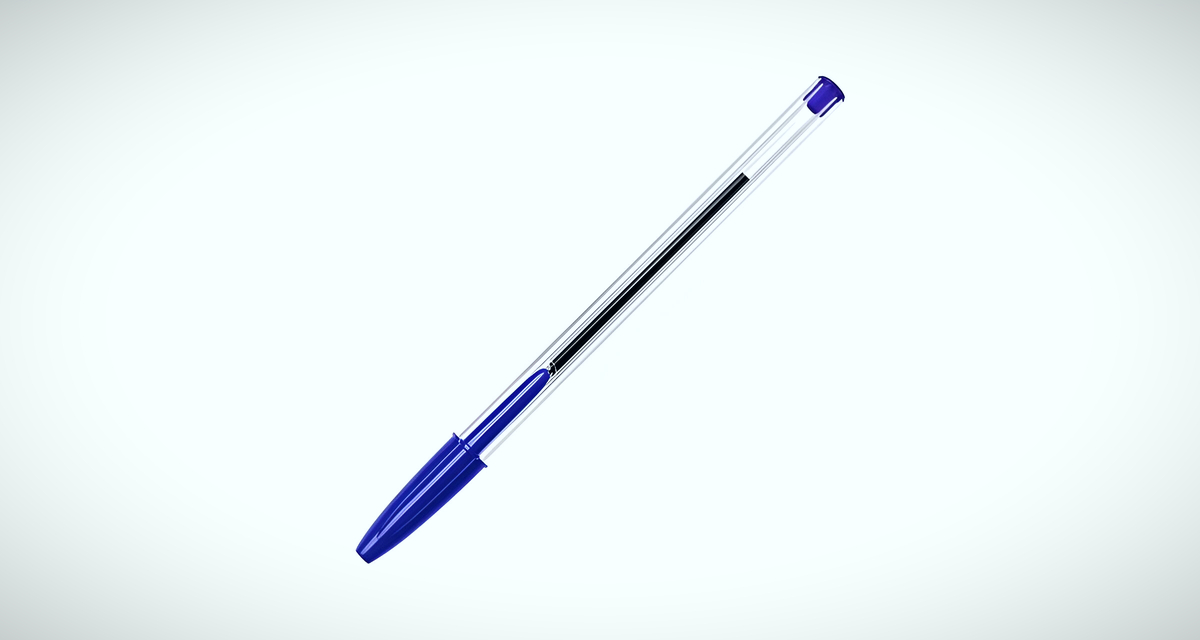
The BIC Cristal Pen has passed through time almost unnoticed, not because it is insignificant, but because it works so perfectly and efficiently that it becomes invisible in its ubiquity. Found in classrooms, offices, art studios, and kitchen drawers around the world, the BIC Cristal has quietly become one of the most recognized and enduring designs of the 20th century. Its design is not only functional but culturally symbolic a reflection of ingenuity, democratization of tools, and timeless aesthetics.
In this article, we’ll explore the design philosophy, historical evolution, and the cultural significance of the BIC Cristal pen. We’ll also discuss why this simple writing instrument continues to remain relevant in the digital age and how its legacy shapes our understanding of industrial design.
The Origins of the BIC Cristal: From Innovation to Revolution
To understand the power of the BIC Cristal, one must travel back to the post-World War II era, when modern design was emerging and the world was redefining convenience and accessibility.
The story of the BIC Cristal Pen begins with László Bíró, a Hungarian journalist who became frustrated with the fountain pens of his time. They leaked, smudged, and required frequent refilling. In 1938, Bíró, along with his brother György, a chemist, developed a ballpoint pen that used viscous ink and a small rotating ball to deliver consistent lines without mess.
The design was revolutionary, but it was Marcel Bich, a French entrepreneur, who saw the potential to turn this invention into a mass-market product. In 1945, Bich acquired the patent from Bíró and set out to re-engineer the ballpoint pen into something that could be produced affordably and at scale.
By 1950, the first BIC Cristal pen was introduced in France. Named after the transparent barrel that mimicked the clarity of crystal, it was priced low enough for widespread access but engineered with precision that rivaled far more expensive pens.
The Design Approach: A Masterclass in Simplicity and Efficiency
The BIC Cristal Pen was never about flash. It was about purpose-driven design. Every element of the pen was stripped to its essence, guided by clarity and necessity.
Key Design Features that Set it Apart:
- Hexagonal barrel: Inspired by the classic pencil, the shape prevents the pen from rolling off tables and provides a better grip. It also allows for easy stacking and packaging.
- Transparent body: This innovative feature allows users to see the ink level, a small but meaningful addition that adds utility and transparency, both literally and metaphorically.
- Ventilated cap: Introduced as a safety measure in later models, the hole in the cap reduces the risk of choking, complying with international safety standards.
- Brass ballpoint tip: Produced with micron-level precision, it delivers a consistent ink flow that ensures smooth writing every time.
This approach aligned with what design theorists would later call “form follows function”, a principle made famous by modernists like Dieter Rams and Le Corbusier. But unlike many high-end design pieces, the BIC Cristal was never intended for museums. It was made for the world.
Timelessness through Ubiquity: The Cultural and Global Impact
More than 100 billion BIC Cristal pens have been sold worldwide. That’s more than any other pen in history. But the impact goes beyond numbers.
In many ways, the BIC Cristal Pen is to writing what the paperclip is to documents or the wheel is to movement: so integrated into our daily lives that we forget it is a design marvel.
It has been:
- Used by students in every corner of the globe
- Embraced by artists, including the likes of David Hockney and Francis Bacon
- Adopted by governments and institutions as the default writing tool
- Included in the permanent collection of the Museum of Modern Art (MoMA) in New York
Its simplicity made it democratic. While luxury pens became status symbols, the BIC Cristal became a tool of the people. From schoolchildren in Africa to executives in New York skyscrapers, the pen was, and still is, a universal equalizer.
Enduring Appeal: Why the BIC Cristal Will Outlast Trends
In a time when everything is being digitized and dematerialized, you’d think a plastic pen might become obsolete. But here’s where the BIC Cristal continues to surprise us.
1. Emotional and Tactile Connection
Typing on a keyboard can never replace the physical pleasure of writing by hand. The scratch of the pen, the resistance of paper, the flow of ink, these are experiences that digital devices cannot replicate. The BIC Cristal, with its consistent performance and lightweight feel, enhances that connection.
2. Absolute Reliability
In design, reliability breeds trust. The BIC Cristal writes the first time, every time. No shaking, no blotting, no waiting. Its consistent line quality and fade-resistant ink give users confidence, especially in high-pressure moments like exams, interviews, or note-taking marathons.
3. Eco-Conscious Engineering
While many disposable products face scrutiny today, the BIC Cristal Pen has quietly evolved with sustainability in mind. The company has reduced plastic use, enhanced manufacturing efficiency, and even introduced BIC Cristal Re’New, a premium, refillable version made with recycled materials.
4. Iconic Minimalism
Minimalist design never goes out of style. The BIC Cristal’s clarity, geometric form, and lack of ornamentation make it not only timeless but incredibly adaptable to branding, art, and culture. Its shape hasn’t changed in over 70 years, a remarkable achievement in a world obsessed with change.
Design Models That Withstood the Test of Time
While the original BIC Cristal Pen is the most famous, several variations and time-proof models have also demonstrated the same design integrity:
BIC Cristal Original
The iconic ballpoint pen known for its clear hexagonal barrel, reliable ink flow, and no-frills design. A staple since 1950, it set the standard for accessible, everyday writing tools worldwide.
BIC Orange
A close relative of the Cristal, the BIC Orange features the same hexagonal shape but with a distinctive orange barrel and a fine-point tip. Preferred by those who favor precision, it’s a classic choice for detailed writing.
BIC Cristal Xtra Bold
For those who want their writing to stand out, the Xtra Bold delivers with a wider 1.6 mm point and vivid ink. It brings a smoother, more expressive writing experience while keeping the Cristal’s classic shape.
BIC Cristal Re’New
Designed for professionals and eco-conscious users, this metal-barreled version is both refillable and elegant. It elevates the original into a reusable form without losing its recognizable identity.
Each of these models is a thoughtful adaptation, not a reinvention. That’s key to the enduring legacy of the brand, evolution without erosion.
Design Lessons from the BIC Cristal Pen
Designers and entrepreneurs can learn many lessons from the success of the BIC Cristal:
- Design for need, not for trends
- Simplicity is powerful when it solves a real problem
- Affordability does not mean lack of quality
- A great product doesn’t need to change if it works perfectly
These principles are echoed in fields beyond stationery, from software interfaces to household appliances, and even urban infrastructure. The BIC Cristal proves that design doesn’t have to shout to make an impact.
Looking Ahead: The Future of a 20th Century Icon
In an age dominated by screens and AI-driven content, you might wonder if something as analog as a pen has a future. Yet every trend, from bullet journaling to hand lettering and analog planning, suggests that people are rediscovering the joy of tactile creativity.
And who’s waiting there to be picked up again? The humble BIC Cristal Pen.
Its permanence is not just due to nostalgia. It’s because it fulfills a fundamental human need: the need to make marks, to think on paper, to communicate through ink. Its role may evolve, perhaps in more eco-friendly forms, perhaps integrated with smart features, but its core will remain.
Just like the wheel never needed a redesign, the BIC Cristal, in its purest form, will always have a place in our future.
Conclusion: A Design Worth Writing About
The BIC Cristal Pen is not just an office supply. It is a quiet revolution in your hand. It tells a story of global access, industrial precision, and uncompromising clarity. It embodies what great design is all about: function, beauty, and endurance.
In the world of product and industrial design, few objects manage to influence as broadly or survive as long without losing relevance. The BIC Cristal is not just time-proof, it’s timeless.
Whether you’re sketching your first idea, signing a contract, or scribbling down a fleeting thought, remember that you’re not just using a pen. You’re continuing a legacy that started in the 1950s and shows no sign of fading.
So next time you hold a BIC Cristal in your hand, take a moment. You’re not just writing. You’re writing history.